

In a new half-hour show, The Link, CNN’s Zain Asher explores how technology and connectivity are driving digital inclusion across the African continent.
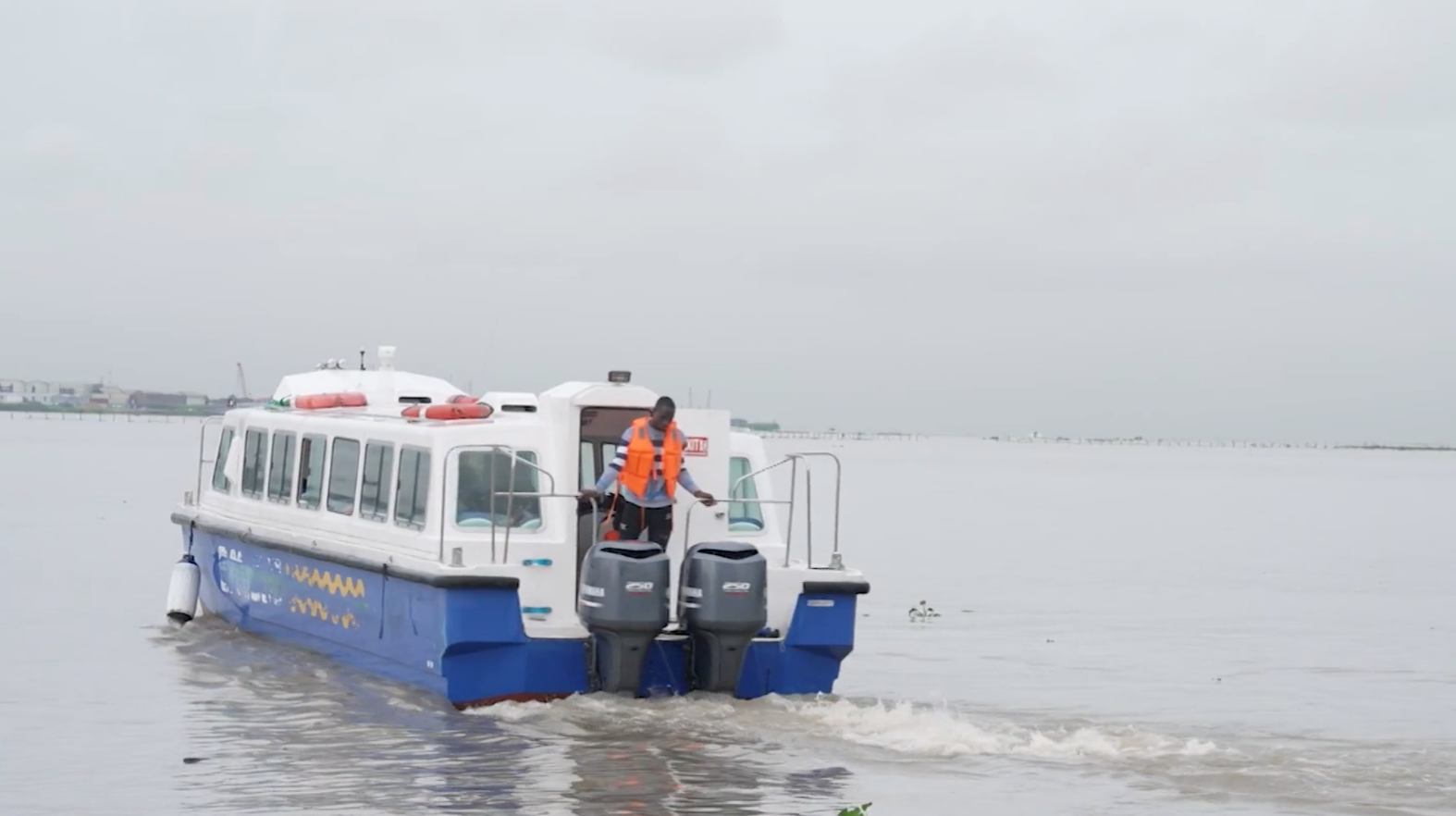
Despite poor road infrastructure and massive traffic congestion, water transportation across the abundant waterways of Lagos, Nigeria, is underutilised. Now, a renewed push to develop the region’s waterways has ushered a rise in passenger ferries and a partnership with the international boat racing franchise E1, which is looking to grow its presence on the continent.
At Ikorodu, a major hub in the state, private ferry operators say that despite some challenges, increased government involvement has been a game-changer. Atinuke Oyenuga, CEO of GT Waterline Ferry Services, explains, “In 2018, when this particular terminal where we are was still under construction, we were moving about say 10,15 boats per day. Now, as of today, we move nothing less than 50 boats in a day. On an average of 1000 passengers on a daily basis, around about 7 destinations from our major hub.”

Charles Asenime, Professor of Transport & Mobility at Lagos State University, believes the area is well-suited for increased water transportation, “If you look at the structure of Lagos State, about 16% of the land mass is made up of water. And then we have the water network that is capable of taking you almost anywhere in Lagos. Despite this, the usage was very, very low, less than 1%.”
Lagos is betting big on its waterways and big sports leagues like E1 have bought in. A recent partnership with the electric boat racing franchise brought its first ever race on the African continent to Lagos. Rodi Basso, CEO and co-founder of E1 talks about the impact, “E1 goes beyond the sport, and I think the sport needs to play this kind of role which is inspirational. This comes with thought leadership, some concrete action on the coastal area.”
Basso hopes that having the race in Lagos will leave a lasting legacy. He tells CNN, “We want to show that a different water mobility is possible for the future. This will bring developments, this will bring jobs, innovation, and will put Lagos potentially on the map as the place to go if you want to learn about the water mobility of the future.”
With the growing success of private operators and a big event like the E1 race the tide seems to be turning. Damilola Emmanuel, General Manager for Lagos State Waterways Authority, talks about the impact the E1 race had, “It was where sustainability met innovation because what we saw happening with that boat race was a dynamic way of looking at water transport and a lot of the local operators could see the future. So, we saw them as well getting involved, loving the race and being able to plan for themselves, saying this is where we want to eventually be in the future.”
With the UNDP saying Africa’s blue economy will generate over $400 billion by 2030, experts say that the time to tap in is now. Asenime stresses the need to focus foremost on sustainability, “We must have waterways that are clean and clear. Then it will help the economy to come up, the bottom line is that it must be sustainable, so we don’t want to use it now and cause problems in the future. We want it to grow to the extent that those in the future will partake, they will benefit from what we are doing now.”
See more:




