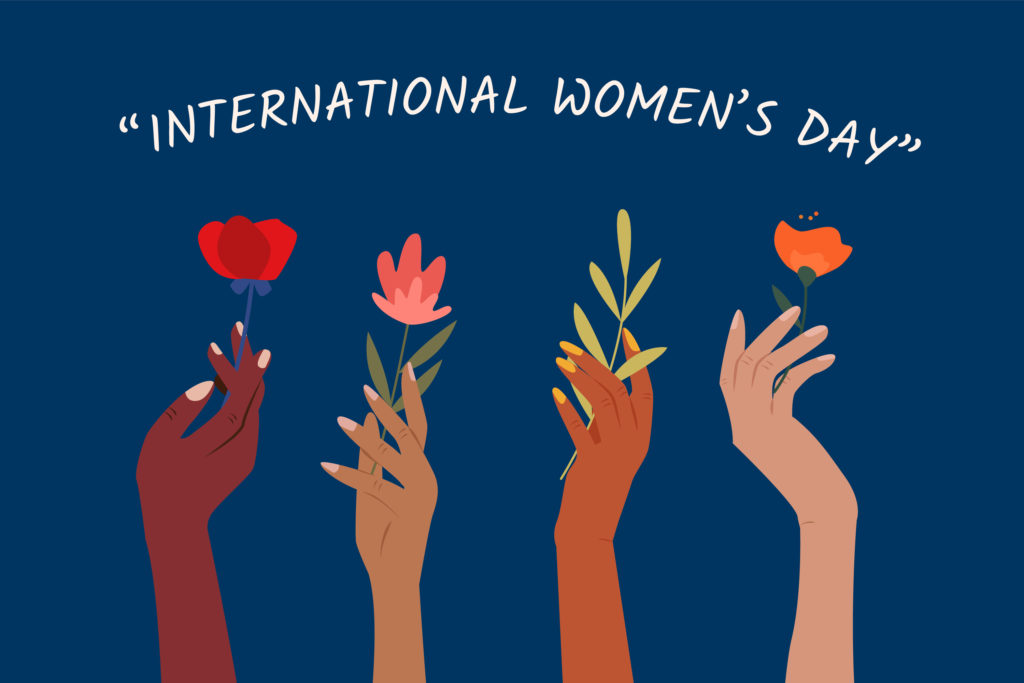
As the world observes International Women’s Day, Nigerian women in academics, healthcare, and advocacy are emphasising the need for ongoing efforts to drive gender equity and women’s empowerment in all sectors.
This call was made in separate interviews with the News Agency of Nigeria (NAN) on Sunday in Lagos.


Prof. Sade Alade, Director, Centre for Counselling and Human Development, Ekiti State University, Ado Ekiti, said the day should serve as a reminder of the resilience and contributions of women.
“International Women’s Day is not just about celebration; it is about reflection.
‘Women have broken barriers in education, science, and leadership, yet we still face systemic challenges. Equity must go beyond slogans to become policy and practice,” she said.
Similarly, Dr Nike Aina, Principal Assistant Registrar at the Lagos State University of Education (LASUED), stressed the importance of women’s participation in educational leadership.
“Education is the foundation of empowerment. Women must not only be beneficiaries but also decision-makers in shaping policies that affect schools and communities.
“Inclusion in leadership is vital for sustainable progress,” she said.
Mrs Bola Oduwole, a preacher and gender advocate, underscored the moral and social responsibility of society to uplift women.
“Empowering women is not only a social duty but also a spiritual mandate.
“When women are given equal opportunities, they nurture families, communities, and nations.
“We must break the chains of discrimination and embrace equity as a collective responsibility,” she said.
Dr Kemi Olugbenga, a public health specialist, stressed the need for stronger institutional support for women in science and research.
“Women in health and research continue to make groundbreaking contributions, yet they are often under-recognised.
“We must create enabling environments where women scientists and professionals can thrive without bias or barriers,” she said.
Mrs Funke Ilori, an entrepreneur, urged support for women-owned businesses.
“Economic empowerment is key. When women thrive in business, communities prosper. Access to credit and mentorship should be prioritised,” she said.
Mrs Kafayat Ibrahim, a civil society advocate, stressed the need for representation, saying, “We cannot talk about equality without women at the decision-making table.
“From local councils to national assemblies, women’s voices must be heard.”
Mrs Ayo Olapeju, a businesswoman, agreed that while progress has been made, more work is needed to dismantle barriers and create opportunities for women and girls.
NAN reports that President Bola Tinubu has consistently positioned his administration as a supporter of gender equality, focusing on the empowerment of women and girls through educational, economic, and legislative initiatives under his Renewed Hope Agenda.