Mozambique’s oil and gas sector has withdrawn from the upcoming Africa Energies Summit in London this May, citing bias claims and concerns over the treatment of Black professionals linked to the event’s organisers.
The decision marks a significant escalation in tensions between African energy stakeholders and international platforms, as calls grow for greater accountability, diversity and local participation in industry events representing the continent.


The boycott highlights a wider shift across Africa’s energy landscape, where inclusion and local content are becoming central to policy and investment decisions. It also follows mounting pressure from industry stakeholders, including the African Energy Chamber calls to boycott the summit, signalling a broader push for accountability and fair representation across global energy platforms tied to the continent.
The Mozambique Energy Chamber said the withdrawal followed repeated concerns over a lack of transparency in hiring practices and workforce diversity associated with the summit’s leadership.
Despite the summit’s strong commercial links to Africa, industry representatives argue it has failed to reflect the continent’s workforce or respond to calls for reform.
Florival Mucave, President of the Mozambique Energy Chamber, said the situation was unacceptable.
‘In 2026, this is not the behaviour that we expect from anyone who uses the name Africa and our oil and gas sector,’ he said. ‘Our members will not be going to London.’
He added that the alleged exclusion of Black professionals undermines efforts to build a more inclusive and representative industry.
The dispute comes as African governments and industry bodies push harder for local content policies that prioritise domestic talent and businesses in major energy projects.
Mozambique has been at the centre of this debate, particularly following unrest in its northern regions, where gas developments have faced delays linked to community tensions and security concerns.
‘We don’t want environments where young Mozambicans will be discriminated against solely based on their skin colour and not on their qualifications or merits,’ Mucave said.
Mozambique’s position carries growing weight as its LNG sector returns to full development.
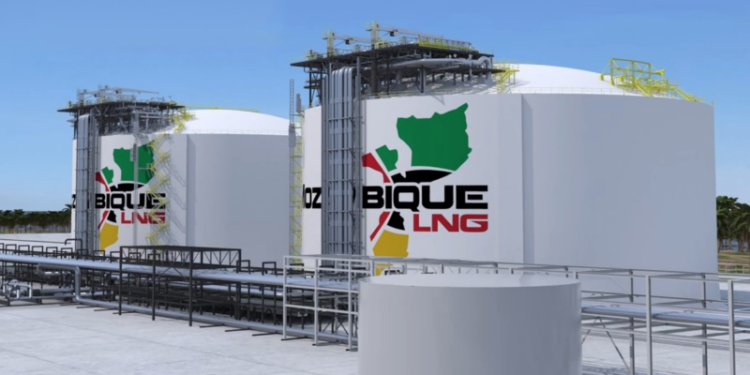
The TotalEnergies-led Mozambique LNG project resumed operations in January 2026 after force majeure was lifted in 2025. Construction has restarted with more than 4,000 workers mobilised, around 3,000 of whom are Mozambican. First production is expected by 2029.
The project is widely seen as central to the country’s economic future and global gas supply diversification, following years of delays linked to insecurity in Cabo Delgado.
Meanwhile, the ExxonMobil-led Rovuma LNG project is progressing towards a final investment decision expected in 2026, reinforcing Mozambique’s role as a key LNG exporter.
Earlier policy decisions—such as UK’s withdrawal of $1.15bn in LNG financing—have also highlighted the geopolitical and financial pressures shaping the sector’s trajectory.
Industry leaders say these milestones underscore the importance of aligning economic growth with inclusive practices.
Mozambique’s experience with unrest has highlighted the risks of excluding local communities and professionals from the benefits of resource development.
‘Failure to maintain an oil and gas industry culture that fosters innovation, collaboration and inclusion in Africa will only disrupt gas operations,’ Mucave warned.
The boycott is likely to resonate across the continent as African stakeholders demand greater ownership over how their industries are represented globally.
With investment flows increasing and geopolitical interest in African gas rising, the pressure is mounting on international platforms to align with the continent’s expectations.
For Mozambique, the message is clear: participation in global energy forums must reflect the values shaping Africa’s future energy narrative.