The National Commission for Museums and Monuments (NCMM) has unveiled a new gallery at the National Museum Lagos to preserve Nigeria’s heritage and revive cultural awareness.


Speaking at the event on Saturday in Lagos, the Director-General of NCMM, Olugbile Holloway, said the gallery was designed to showcase Nigeria’s ancient civilisations while reconnecting citizens, especially young people, to their roots and identity.
themomentng reports that the gallery, which was unveiled with a permanent exhibition, was conceived by the museum in collaboration with IHS Towers Nigeria.
The exhibition is with the theme, ‘Echoes of the Past: A Timeline of Antiquity in Nigeria’.
He commended IHS Nigeria and the museum team for feeding into the vision by delivering what he described as a world-class exhibition.
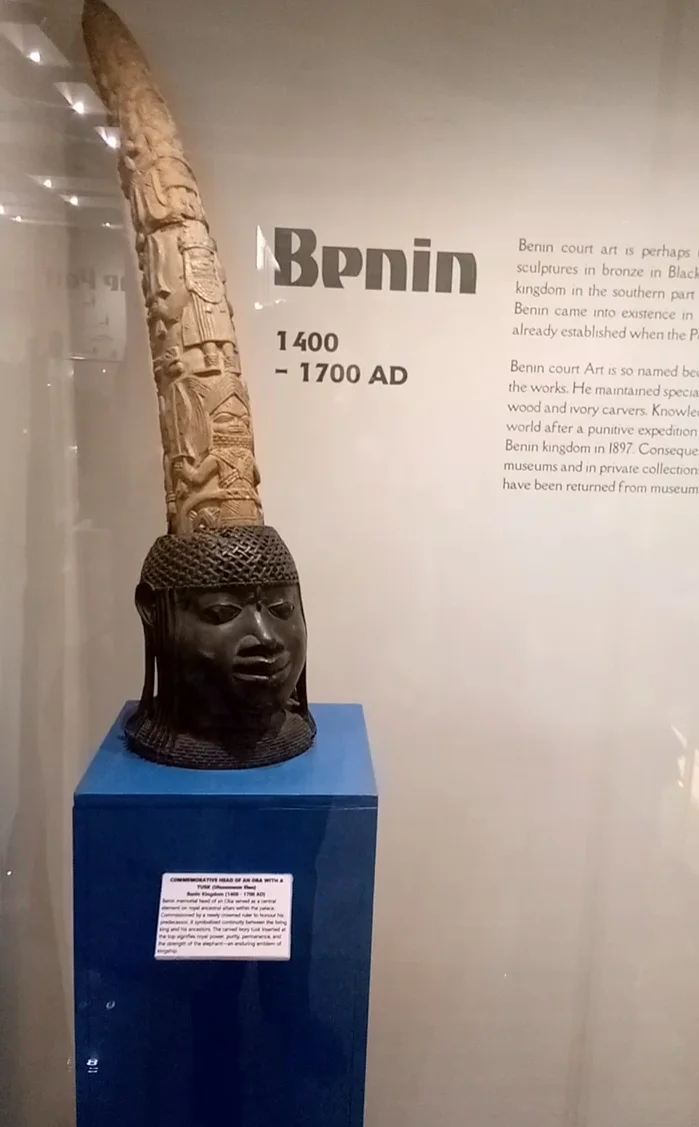
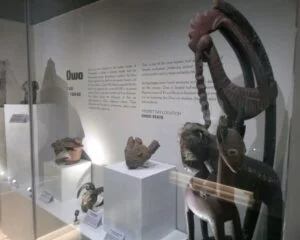
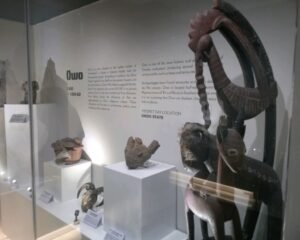
According to him, the gallery houses rare antiquities, including Nok artefacts dating back to 500 B.C., and historic bronze works, carefully curated to reflect the depth of Nigeria’s history and artistic ingenuity.
“The most important part of what I want to speak about today is the why.
“We’ve done what we’ve done to honour our ancestors, not just for ourselves but for our children and generations coming after us,” he said.
Quoting Bob Marley, “Emancipate yourselves from mental slavery; none but ourselves can clear our minds”, Holloway emphasised the need for Nigerians to reawaken their collective consciousness and redefine global perceptions of the country.
He expressed concern that it was unacceptable for many schoolchildren to associate the museum only with Murtala Muhammed’s car.
He called for a broader appreciation of Nigeria’s history of traditional rulers, queens, artisans and civilisations.
Holloway also stressed the role of private sector participation, saying partnerships with private firms were essential to reviving the art space and making Lagos a national model for cultural revitalisation.
Speaking for IHS Nigeria, Senior Vice President and Chief Corporate Services Officer, Dapo Otula, said the company partnered with the government on the project as part of its sustainability and cultural preservation goals.
“For us, it’s not about the money. It’s about what we put on the ground and the impact of it.
“You can’t put money on what’s been done here,” he said.
Otula said that more than 200 artefacts had been digitised to expand access and global reach.
He further said technology would continue to shape the museum experience.
“Technology itself is the driver; you can turn the artefacts around with your cursor and look at all sides of them virtually,” he said.
Otula noted that proper maintenance would depend on how much Nigerians valued their heritage.
Earlier, Hannatu Musawa, Minister of Art, Culture, Tourism and Creative Economy, described the exhibition as transformative
Musawa praised the collaboration and innovation behind the project.
“What has been done here, it’s almost a revolution,” she said.
The minister said President Bola Tinubu’s vision was to strengthen cultural infrastructure and secure Nigeria’s place among the world’s great nations.
NAN also reports that some of the artefacts exhibited include brass and terracotta works that tell the stories of Nigeria’s indigenous culture, and its influence on architecture, religion and politics.