The United Nations says about 35 million Nigerians are likely to experience acute food shortages during the rainy season, from May to October.
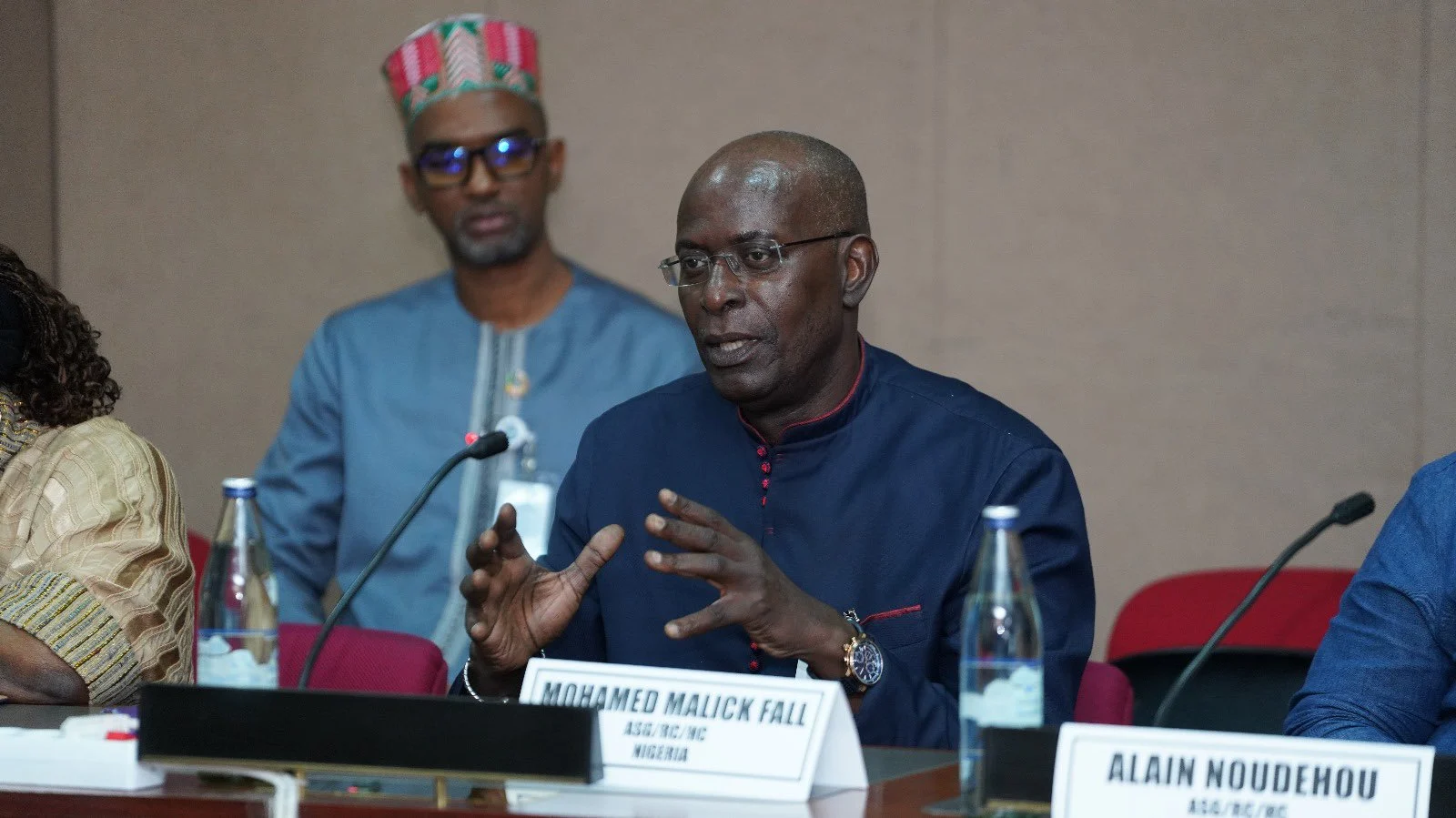
Speaking in Abuja at the launch of Nigeria’s 2026 Humanitarian Needs and Response Plan, the UN Humanitarian Coordinator in Nigeria, Mohammed Malick Fall, revealed that around three million children are at risk of severe malnutrition that could endanger their lives.
He explained that the 2026 response plan targets 2.5 million vulnerable people with life-saving humanitarian assistance, supported by a proposed budget of $516 million.
The intervention will mainly cover Borno, Adamawa and Yobe States, while additional strategies are being reviewed for the North-West and other regions.
Meanwhile, a separate report by Action Against Hunger identified Nigeria as the most affected country worldwide by severe food insecurity in 2025, with 31.8 million people impacted.
Sudan and Democratic Republic of Congo followed with 25.6 million people each.
The report attributed the worsening crisis to insecurity, flooding, the weakening of healthcare systems, and declining international funding, warning that the situation threatens the lives of millions of Nigerians, particularly children and pregnant women.