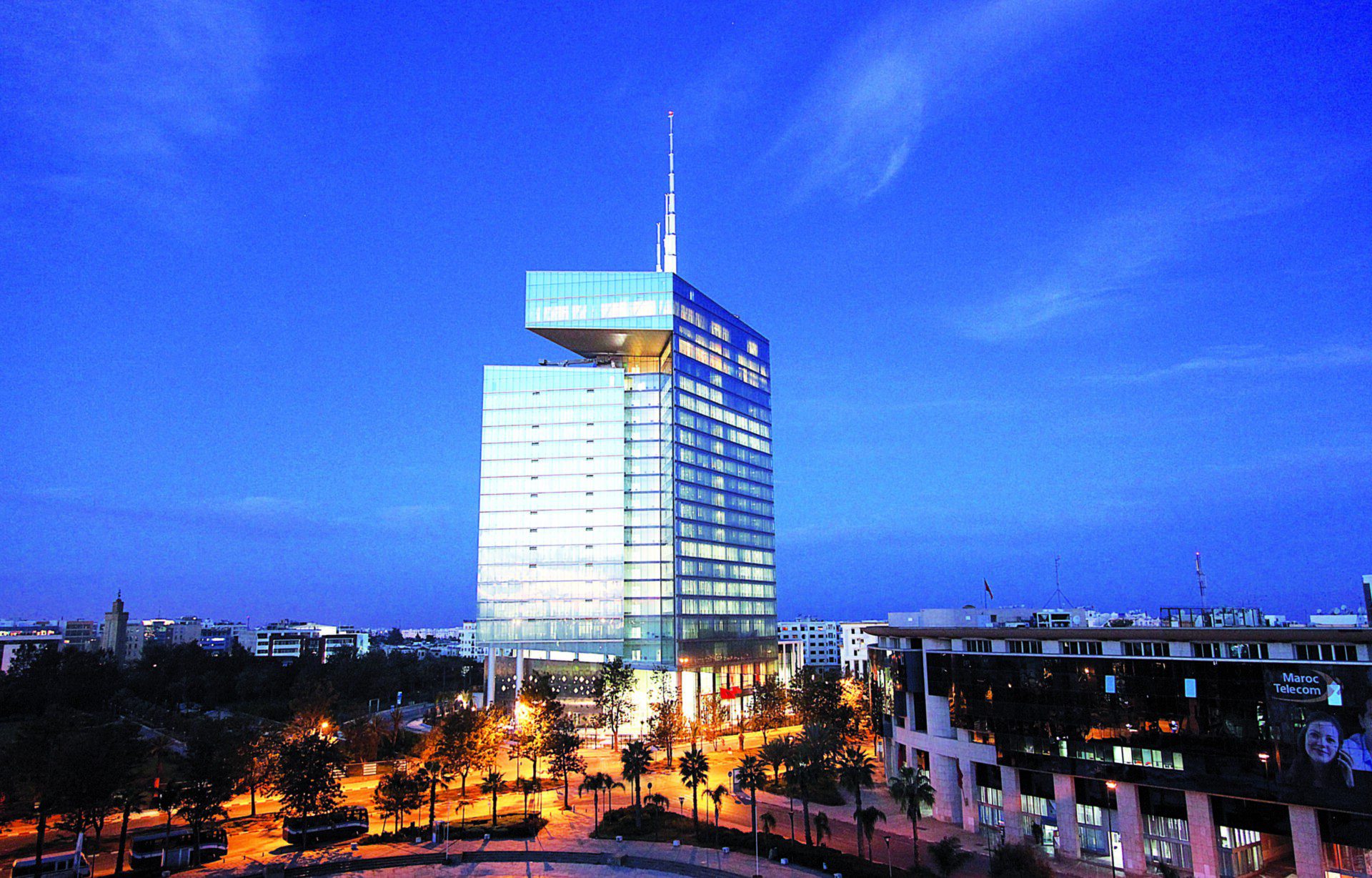
Morocco’s largest telecom operator, Maroc Telecom, reported a net profit of $760 million for 2025, a 288% increase compared to 2024 when a legal settlement with a competitor nearly wiped out its earnings.
It had to pay rival operator Wana Corporate $695 million to settle a dispute over network access, which severely impacted Maroc Telecom’s financial performance.

When we exclude the settlement effects from both years, the situation becomes clearer. The adjusted profit actually decreased by nearly 5%, down to $617 million, as the company invested heavily in the rollout of 5G infrastructure across Morocco.
Capital expenditures also gulped 25.6% of revenue, a substantial increase driven by network expansion.
Heavy spending on 5G cuts into profit
The decline in profit shows the costs of modernisation. Maroc Telecom is working hard to bring 5G to Morocco while also running operations in 10 African countries under the Moov Africa brand.
Revenue remained basically the same, dropping only 0.1% to $4 billion. This stability is impressive considering how much the company is investing in infrastructure. It shows that Maroc Telecom is managing to keep customers even as heavy spending reduces profits.
The number of customers grew by 3.6% to reach 77 million, but this growth came only from African markets outside of Morocco. The number of customers in Morocco stayed at 22 million, showing that the local telecom market is now full.
However, there are still growth opportunities in other parts of the continent.
Wana Corporate received a payment in 2024 due to a disagreement over local-loop unbundling. In simple terms, Wana wanted access to Maroc Telecom’s fibre network to offer its own services, which telecom regulations require dominant operators to provide.
The two companies couldn’t agree on terms, leading to a settlement that cost Maroc Telecom nearly $700 million.
A significant drop in earnings is uncommon but can happen in the telecom industry. Major carriers often face rules that require them to share their networks with competitors. Disagreements over prices and access can last for years before they reach costly solutions.
Now that the payment is settled, Maroc Telecom is concentrating on maintaining its market share in Morocco while also expanding its presence across Africa.
The company operates in a total of 11 countries, including Morocco, Benin, Burkina Faso, the Central African Republic, Chad, Gabon, the Ivory Coast, Mali, Mauritania, Niger, and Togo.
Shareholders will receive a dividend of 4 dirhams per share, amounting to approximately $382 million. Etisalat, based in the UAE, owns 53% of Maroc Telecom, while the Moroccan government holds 22%. The company is listed on the Casablanca Stock Exchange and Euronext Paris.