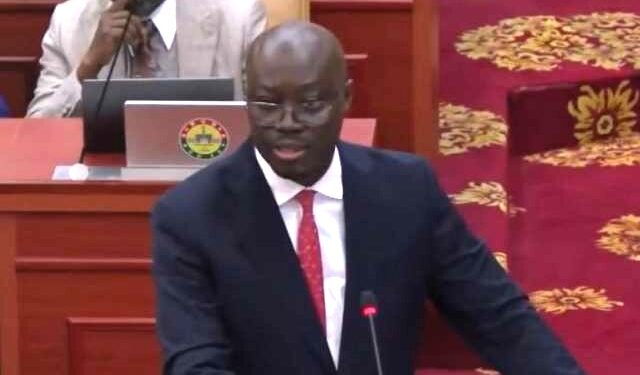
Ghana has paid 10bn cedis ($910 million) in interest obligations under its Domestic Debt Exchange Programme (DDEP), marking another step in the country’s gradual recovery from its most severe economic crisis in a generation.
The payment, confirmed Wednesday by the Ministry of Finance, represents the sixth coupon settlement since the domestic debt restructuring initiative was launched in late 2022. Authorities say the move is intended to reinforce confidence among investors and demonstrate the government’s commitment to honouring obligations following the debt overhaul.
In a statement, the ministry said the settlement aims to reassure both domestic and international investors, strengthen Ghana’s credit outlook and promote stability across the financial sector.
Full cash payment reflects improving fiscal position
Officials described the latest settlement as the second consecutive coupon payment made entirely in cash, without any payment-in-kind component — a shift viewed as evidence of improving fiscal capacity.
According to the ministry, the full cash payment signals stronger government solvency and reflects progress made under ongoing fiscal consolidation measures.
The payment covers coupon obligations on cedi-denominated bonds exchanged under the DDEP framework, in line with the programme’s restructuring memorandum and Ghana’s broader debt-management strategy.
Economists say consistent servicing of restructured domestic debt is a critical indicator of Ghana’s stabilising public finances after the crisis disrupted investor confidence and strained the banking sector.
Domestic debt exchange reshaped financial sector
Ghana, the world’s second-largest cocoa producer, introduced the DDEP as part of wider reforms aimed at restoring debt sustainability after a sharp fiscal squeeze triggered a comprehensive debt overhaul.
The domestic exchange programme required banks, pension funds and asset managers — many heavily exposed to government securities — to swap existing bonds for new instruments with revised terms. The process placed pressure on financial institutions but was considered necessary to stabilise public finances and unlock international financial support.
The DDEP formed a central pillar of Ghana’s economic recovery strategy, complementing fiscal reforms designed to reduce deficits, stabilise the currency and restore macroeconomic balance.
Government targets lower inflation and renewed market access
The finance ministry said Ghana intends to meet all future DDEP obligations while strengthening liquidity buffers and improving overall macroeconomic conditions.
Officials expect sustained fiscal discipline to help ease inflation and gradually lower interest rates, which rose sharply during the economic crisis.
The government also confirmed plans to return to the domestic bond market later this year and has already selected bond market specialists to lead the process. A successful re-entry into the market would signal renewed investor appetite for Ghanaian debt and further progress toward financial normalisation.
Market analysts note that predictable coupon payments under the DDEP will remain a key test of Ghana’s policy credibility as it works to rebuild trust among investors.
Rebuilding confidence after crisis
Authorities argue that maintaining timely payments is essential to restoring confidence in Ghana’s financial system following the restructuring period. By consistently meeting obligations, the government aims to demonstrate improved fiscal management and reinforce confidence in the country’s long-term economic outlook.
The finance ministry added that continued macroeconomic improvements and disciplined debt management are expected to support Ghana’s recovery trajectory and strengthen financial-sector resilience.