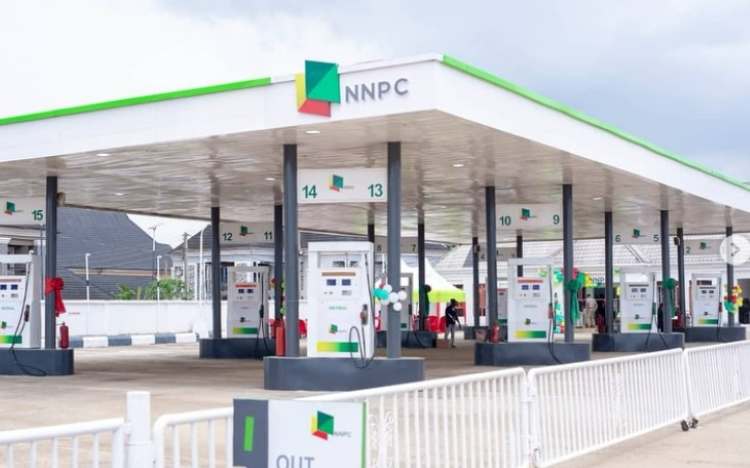
The Nigerian National Petroleum Company Limited (NNPCL) has increased the pump price of Premium Motor Spirit (PMS) at its retail outlets in Abuja to N960 per litre, up from N875, following a spike in global crude oil prices triggered by escalating geopolitical tensions in the Middle East.
Checks at several NNPCL filling stations across the Federal Capital Territory on Tuesday confirmed the new price regime, marking an N85 increase within 24 hours.
The development came on the heels of a similar move by Dangote Petroleum Refinery, which on Monday raised its gantry price by N100 to N874 per litre from N774.


The twin adjustments have heightened concerns over further fuel price hikes nationwide.
Global oil markets have reacted sharply to the worsening crisis in the Middle East. Brent crude futures climbed past $80 per barrel earlier in the week and were trading around $84.2 per barrel at the time of reporting.
The surge followed joint US-Israeli strikes on Iranian targets, reportedly resulting in the death of Iran’s Supreme Leader, Ayatollah Ali Khamenei.
Iran has since retaliated with strikes targeting US military bases and interests across parts of the Middle East, including the UAE, Qatar, Bahrain and Saudi Arabia.
The escalating hostilities have disrupted global supply chains and heightened fears of broader instability in oil-producing regions, pushing international crude prices higher and exerting upward pressure on domestic PMS rates.
Analysts say the rising fuel costs present mixed implications for Nigeria’s economy. While higher crude oil prices could boost government revenue from exports, increased PMS prices are expected to intensify inflationary pressures and erode household purchasing power.
Industry experts warn that if tensions persist, crude prices could surge beyond $100 per barrel, potentially triggering further adjustments in local pump prices.
Reacting to the development, the Petroleum Products Retail Outlets Owners Association of Nigeria (PETROAN) expressed concern over the volatility in global energy markets.
PETROAN National President, Dr. Billy Gillis-Harry, told journalists in Abuja that the ongoing Middle East conflict could significantly disrupt global energy supply chains.
He noted that sustained increases in crude oil prices would inevitably be reflected in higher retail prices across Nigeria.
The association warned that continued fluctuations in global oil prices would further strain consumers and businesses already grappling with economic headwinds, underscoring the vulnerability of Nigeria’s fuel market to external shocks.