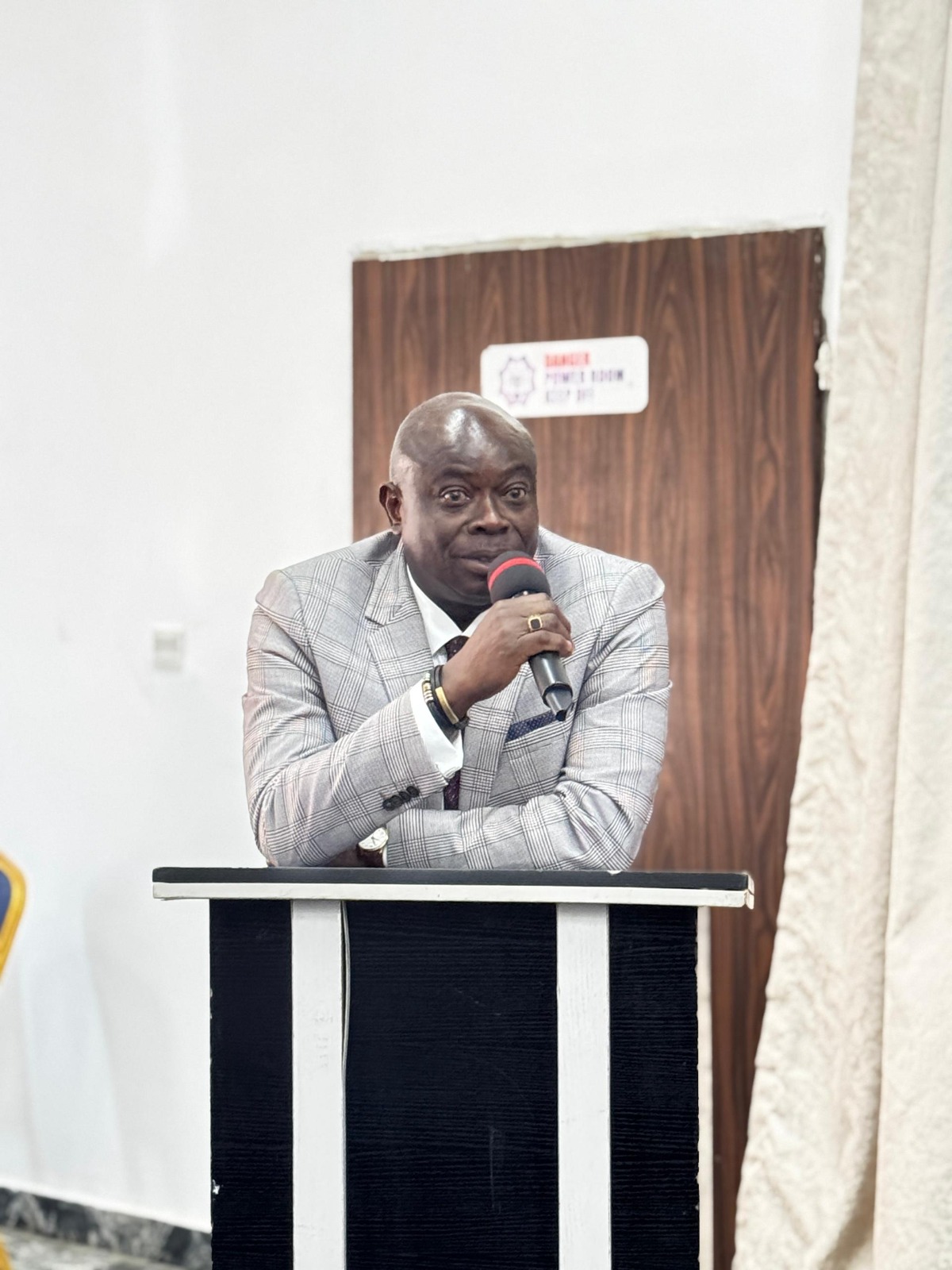
The Secretary to the Independent Corrupt Practices and Other Related Offences Commission (ICPC), Mr. Okwudiri Oparaodu, has called for a significant bolstering of the Commission’s forensic capabilities to effectively tackle the rising tide of complex corrupt practices and financial fraud.
He underscored that forensic investigation is no longer just an optional tool, but a cornerstone of modern law enforcement, essential for navigating the increasingly sophisticated methodologies employed by criminals.


Mr. Oparaodu made these remarks recently during his address at the opening of a two-day capacity-building workshop for ICPC operations personnel. The training, themed “Harnessing Forensic Capabilities in the Investigation of Corrupt Practices and Financial Frauds,” is sponsored by the Centre for Democracy and Development (CDD).
Addressing the participants, the ICPC Secretary highlighted the dynamic nature of criminal activity, noting that its growing complexity demands that investigators master and leverage modern technology. He elaborated that forensic processes are highly technical and play a pivotal role in constructing watertight cases. He cautioned that any procedural lapse or oversight in the forensic chain could prove fatal in a court of law, potentially undermining months of investigative work.
“The integrity of your investigation rests on the robustness of your forensic application,” Mr. Oparaodu stated. He therefore urged the attendees to engage with the training materials diligently, paying meticulous attention to investigative procedures to ensure their efforts yield credible, verifiable, and defensible outcomes that will stand up to judicial scrutiny.
Beyond the operational focus, Mr. Oparaodu expressed his profound appreciation to the Centre for Democracy and Development for its sponsorship and strategic partnership. He particularly commended the CDD for its inclusive approach, which saw both operational and administrative personnel included in the programme.
He noted that this cross-cutting capacity building would foster a more holistic understanding of forensic applications across the Commission’s value chain. He concluded by asserting that the knowledge acquired should be swiftly integrated to strengthen the Commission’s core mandate of combating corruption and safeguarding public integrity.
Earlier in his welcome address, the Head of the ICPC External Cooperation Unit, Mr. Ahmed Abdul, welcomed the participants and reiterated that the training was a direct outcome of the invaluable support from the CDD.
He encouraged everyone to participate actively in the sessions, maximising this opportunity to refine their professional skills. His charge to them was clear: to apply the newly acquired knowledge practically, thereby adding tangible value to the Commission’s operations upon their return.
Speaking on behalf of the CDD, Mrs. Titilayo Olaniyan underscored the timeliness of the initiative. She stated that the training arrives at a critical juncture when corruption and financial crimes in Nigeria and across the region are becoming increasingly intricate and transnational.
She emphasised that the effective deployment of forensic techniques, coupled with proper evidence management and modernised investigative methods, is not just beneficial but essential for strengthening law enforcement and prosecutorial efforts.
“This initiative is a testament to the CDD’s unwavering commitment to strengthening accountability mechanisms and enhancing the institutional capacity of anti-corruption agencies,” Mrs. Olaniyan explained. She added that the workshop forms part of a broader strategy to promote good governance and the rule of law.
In closing, she commended the leadership of the ICPC for its continued dedication and resilience in safeguarding public resources and promoting a culture of integrity within the Nigerian public service.