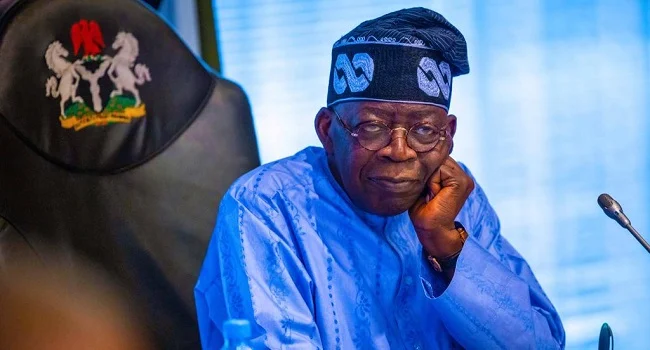
Some foreign governments have reportedly declined to accept several ambassadorial nominees put forward by Nigerian President Bola Tinubu.
The development is said to be connected to concerns over the limited time left in the current administration’s tenure.


Diplomatic sources revealed that countries such as India have expressed reluctance to grant approval to some of the nominees.
The hesitation, according to officials familiar with the matter, is linked to a diplomatic practice adopted by some governments that discourages receiving ambassadors from administrations that have less than two years remaining in office.
One of the nominees affected by the situation is Ambassador-designate Muhammad Dahiru, who was assigned to represent Nigeria in New Delhi.
Sources said Indian authorities have already indicated they may not grant the required diplomatic approval for his posting.
Under established diplomatic procedures, a country must first grant agrément, a formal approval given to a foreign ambassador before the individual can officially assume duty in the host nation. Without this consent, the ambassador cannot take up the role.
A senior official in the Presidency explained that the reluctance from some countries is not directed at the nominees themselves but at the timing of the appointments.
“They don’t accept an ambassador from an administration that has less than two years in office.”
The official further noted that a number of countries have begun sending signals that they may also reject some of the nominees.
“Some countries are reluctant to accept some people, not because of the individuals but because of time. They see the government as having a short period left.”
Another source within the foreign service said some governments fear that the ambassadors may not remain in office for long if there is a change in administration after the next election.
“Their concern is that he has just about a year left, so what if he doesn’t win the election? Another government may come and remove them.”
Recently, President Tinubu approved the deployment of 65 ambassadors and high commissioners to different countries and international organisations across the world.
However, diplomatic clearance for many of the nominees has been slow. Only a few countries are said to have issued the required approval so far, including the United Kingdom and France.
Officials say part of the challenge may also be linked to the long delay before the ambassadorial nominations were made.
In September 2023, the Nigerian government withdrew ambassadors from more than 100 foreign missions worldwide, leaving many diplomatic posts vacant for an extended period. The delay meant new nominees were not submitted to host countries until much later.
A senior diplomat familiar with the situation said some countries strictly observe the policy regarding ambassadorial tenure.
“I know India has that policy. If you are less than two years to the end of the tenure, there will be difficulties accepting an ambassador.”
Nigeria’s next presidential election is scheduled for January 2027, while President Tinubu’s current term will end in May of the same year. With the timeline already narrowing, some of the nominees could end up spending less than a year in office if approvals continue to come late.
Officials in the Ministry of Foreign Affairs are reportedly hoping that Nigeria’s longstanding diplomatic relationships with several countries may help persuade them to reconsider and grant approval for some of the nominees.