

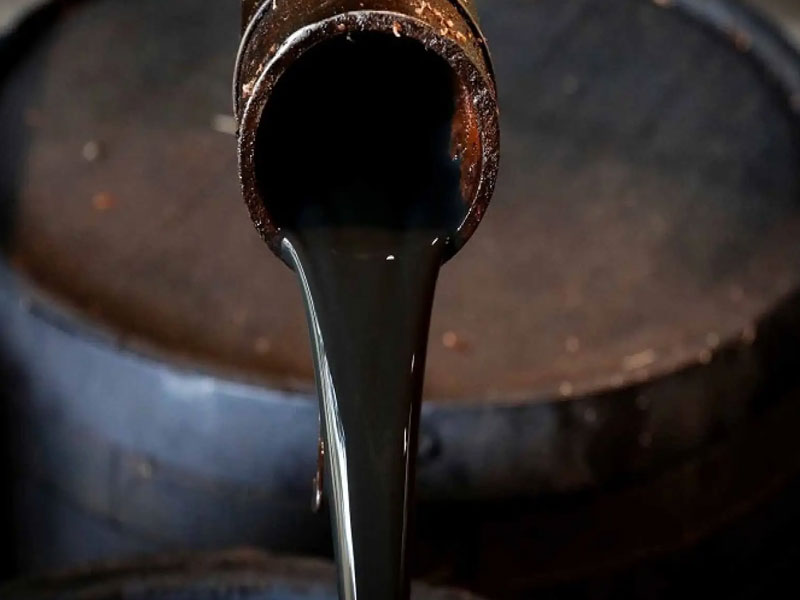
The Federal Government has suspended the issuance of petrol import licences for a second consecutive month as local refining capacity increasingly meets domestic demand.
The development follows data released by the Nigerian Midstream and Downstream Petroleum Regulatory Authority (NMDPRA), showing that most petrol supplied in Nigeria in February came from local refineries.
The move signals the government’s push to enforce provisions of the Petroleum Industry Act (PIA), which allow imports only when domestic refining capacity falls short.

The decision is also seen as a boost for local refiners, particularly Dangote Refinery, which had previously challenged petrol import licences issued by the regulator.
Data from the NMDPRA February factsheet shows that domestic refining accounted for the bulk of petrol supply in Nigeria during the period. The figures highlight a significant shift from the country’s long-standing reliance on imported petroleum products.
Out of the 39.6 million litres of petrol supplied domestically, 36.5 million litres were produced by the Dangote Refinery, while about 3 million litres were imported.
The data indicates that domestic refining now accounts for roughly 92% of petrol supplied across the country.
The figures also show that out of the 24.4 million litres of diesel supplied domestically, 8.2 million litres came from the Dangote Refinery, representing about 33.6% of total supply.
Nigeria’s daily petrol consumption dropped to 56.9 million litres in February compared with 60.2 million litres recorded in January.
According to a Bloomberg report, the spokesperson of the NMDPRA, George Ene-Ita, confirmed that import licences will now only be issued when domestic production is insufficient to meet national demand.




