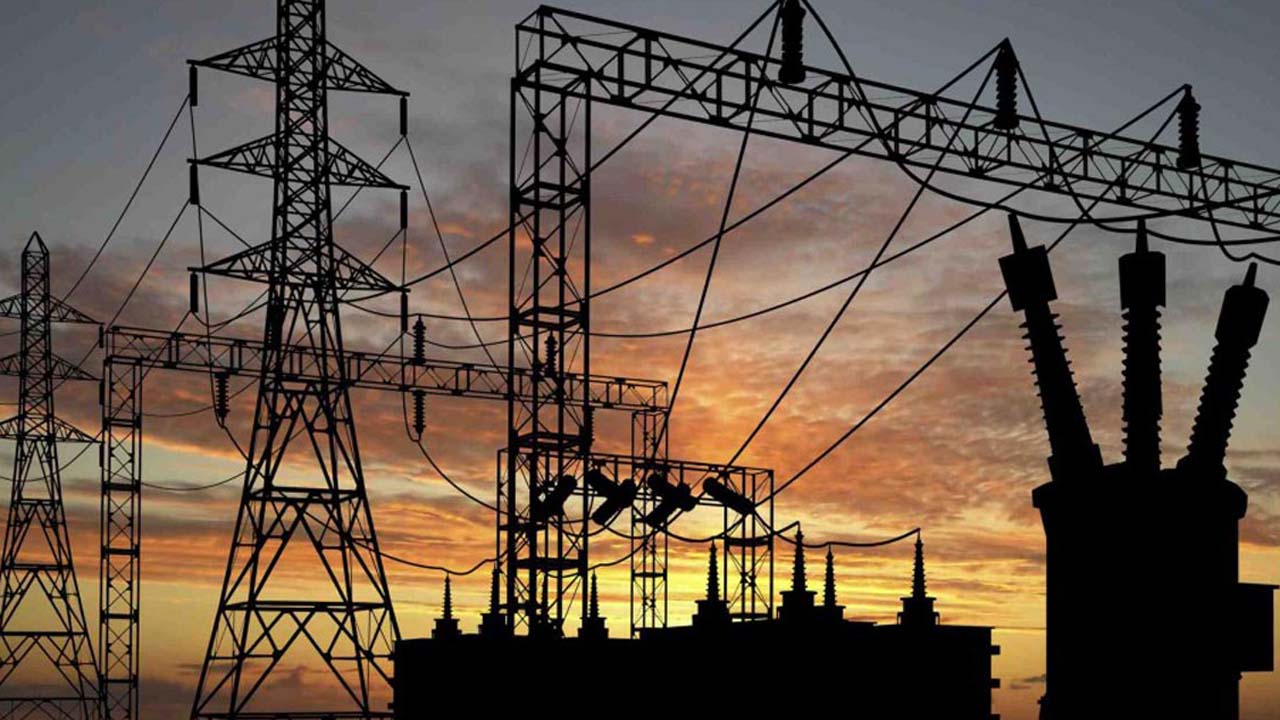
The Federal Government recorded a subsidy obligation of ₦418.79 billion in the fourth quarter of 2025, according to the latest report released by the Nigerian Electricity Regulatory Commission (NERC).
The figure highlights the continued financial burden on the government in sustaining Nigeria’s electricity market amid non-cost-reflective tariffs.
In its Q4 2025 quarterly report, the electricity market regulator disclosed that the total invoice from power generation companies, alongside the Differential Remittance Obligation-adjusted invoice issued by the Nigerian Bulk Electricity Trading Plc to electricity distribution companies, declined during the period.
The commission noted that the subsidy dropped by ₦39.96 billion, representing an 8.71 per cent decrease compared to ₦458.75 billion recorded in the third quarter of 2025.
themomentng reports that further analysis showed that government subsidy accounted for 52.30 per cent of the total GenCo invoice in Q4, a reduction of 6.60 percentage points from 58.63 per cent in Q3.
Explaining the decline, the commission attributed it to increased energy allocation to high-paying customers.
According to NERC, the rise in supply to Band A customers, from 40 per cent to 45 per cent, contributed significantly to lowering the subsidy burden.
The report noted that this aligns with the Federal Government’s policy direction to improve electricity supply quality and cost recovery in the sector.
On remittance performance, the report revealed that the DRO-adjusted invoice from the Nigerian Bulk Electricity Trading Plc to DisCos stood at ₦386.13 billion in Q4 2025.
Out of this amount, the distribution companies remitted ₦359.27bn, translating to a remittance performance of 93.04 per cent.
This represents a slight dip when compared to the third quarter, where DisCos remitted ₦308.25bn out of ₦323.7bn, achieving a 95.23 per cent performance.
A breakdown of remittance performance showed that while most distribution companies met their obligations fully, a few recorded shortfalls.
These include Yola (99.42 per cent), Benin (98.30 per cent), Ibadan (95.58 per cent), Kano (75.14 per cent), Jos (49.80 per cent), and Kaduna (40.73 per cent).
Reiterating the government’s role in sustaining the sector, the commission stated, “In the absence of cost-reflective tariffs, the Government undertakes to cover the resultant gap (between the cost-reflective and allowed tariff) in the form of tariff subsidies.”