

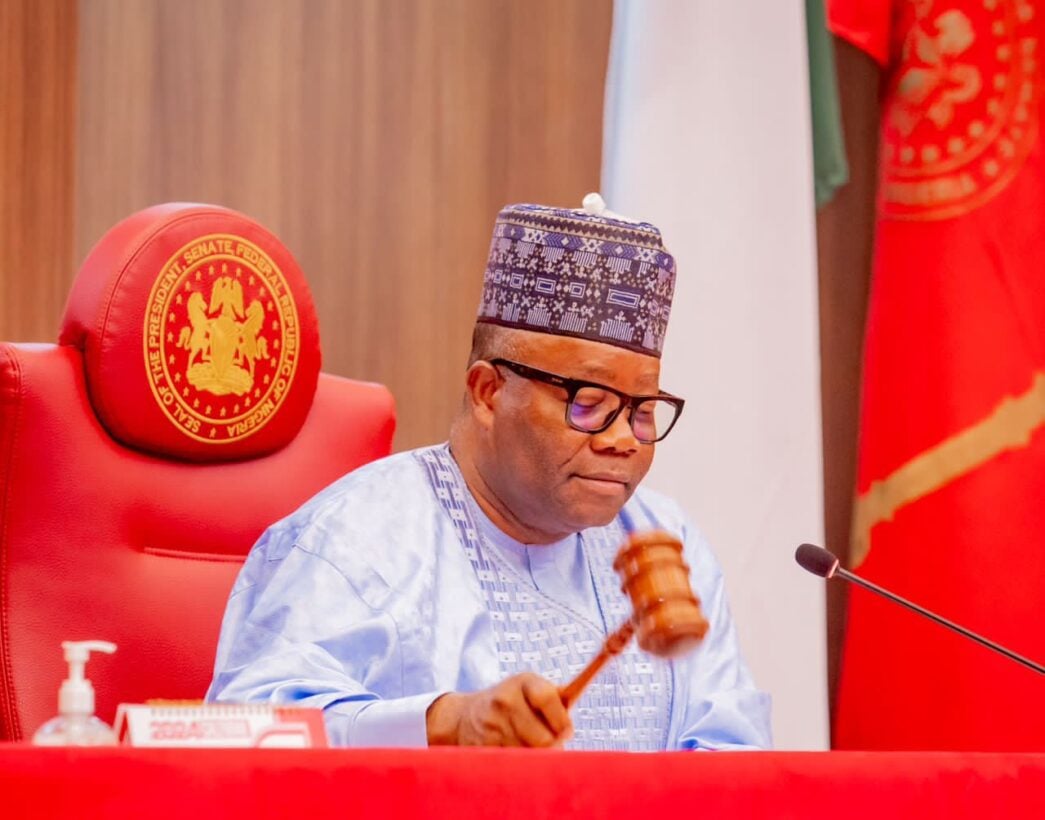
In its strongest statement yet on Nigeria’s security crisis, the Senate on Tuesday, July 7, 2026, rejected the reintegration of repentant terrorists, demanding instead that perpetrators of bloodshed face prosecution.
The upper chamber also turned its scrutiny on the North West Development Commission over questionable spending and declined to intervene in the messy dispute around the alleged Presidential Foreign Intervention Promotion Council.


The resolutions came during a heated plenary triggered by the abduction and death of retired Major General Rabiu Abubakar, former Director of Defense Information, in Katsina State.
—“JUSTICE, NOT REHABILITATION”—SENATE REJECTS TERRORIST AMNESTY—
The debate was sparked by a motion from Senator Abdulaziz Musa Yar’Adua, Katsina Central.
Lawmakers voted unanimously to reject federal policies that rehabilitate and reintegrate former Boko Haram fighters and bandits, calling it a reward for criminality while victims get no justice.
Senator Adams Oshiomhole, Edo North, led the charge.
“It does not even make common sense to grant pardons, rehabilitate, and integrate criminals into society,” Oshiomhole said.
“People who killed, kidnapped, and destroyed communities should face the full weight of the law. You cannot ask victims to live side-by-side with their tormentors and call it peace.”
He was backed by Senator Joseph Igiagbe Ikpea, Edo Central, who moved an additional prayer to formally reject the rehabilitation programme.
Senator Osita Izunaso, Imo West, said Nigerians were tired of condolence messages.
“What we expect from security agencies now is concrete action — arrest and prosecute those behind the killing of General Abubakar and other attacks,” he said.
In response, the Senate resolved that the federal government must:
1. Strengthen intelligence gathering, surveillance and early warning systems
2. Deploy modern security technology
3. Force closer collaboration between security agencies, traditional rulers, religious and community leaders
4. Arrest and prosecute those responsible for General Abubakar’s murder and other acts of terrorism and banditry
Senate Leader Opeyemi Bamidele secured approval for the Senate leadership to meet President Bola Tinubu and present lawmakers’ concerns directly.
The chamber observed a minute’s silence for General Abubakar and all victims of terrorism. A Senate delegation will also visit the bereaved family, Katsina State Government, and the Nigerian Army.
Even amid grief, there was disagreement on the military’s performance. Minority Leader Abba Moro* cited the killing of a university professor near a police checkpoint.
Deputy Senate President Barau Jibrin, however, defended the armed forces, saying troops were making “enormous sacrifices” against a growing regional terror threat across West Africa.
— N943M FOR ALLOWANCES? SENATE GRILLS NWDC—
The Senate Committee on Regional Development also opened a probe into the North West Development Commission.
Lawmakers were alarmed that out of N1.19 billion spent by the commission, about N943 million went to board allowances.
They also flagged that NWDC is the only regional commission without executive directors, despite being one of the first established. The absence, they said, has crippled management and slowed operations.
Minister of State for Regional Development, Alhaji Uba Maigari Ahmadu, blamed part of the problem on a dispute over the commission’s headquarters in Kano. He said Kano State has now provided a permanent office, vehicles, and land.
But senators were unconvinced. They described the N943m allowance bill as “inconsistent with the commission’s mandate” of infrastructure, development, and peace-building in the Northwest. They also queried delays in recruitment and capital project execution.
Board Chairman Abdullahi Lawal defended the spending, saying it was authorized under the NWDC Act, 2024. He said the board held seven meetings and approved key policies.
He, however, admitted that management had delayed implementing board resolutions and processing payments.
The committee adjourned into an executive session to receive further classified briefings.
—SENATE KEEPS OFF PFIPC MESS—
The Senate also distanced itself from the controversy around the alleged Presidential Foreign Intervention Promotion Council, PFIPC.
According to Senate spokesman Senator Yemi Adaramodu, the allegations involving the purported agency, its claimed DG Adeniyi Adeyemi Mathew, and the Office of the Chief of Staff are strictly an executive matter.
“The National Assembly did not create this agency, and we did not appoint its leadership,” Adaramodu said. “The matter is also now in court.”
He said the Senate will only act if it receives a formal petition from any of the parties. Until then, it will not intervene.
—THE BIG PICTURE—
Tuesday’s session showed a Senate frustrated by rising insecurity and perceived policy contradictions. By rejecting terrorist rehabilitation, probing development commission spending, and refusing to be dragged into executive infighting, lawmakers signaled they want accountability over optics.
The question now is whether the executive will act on the Senate’s resolutions—starting with justice for General Abubakar and millions of other victims.




