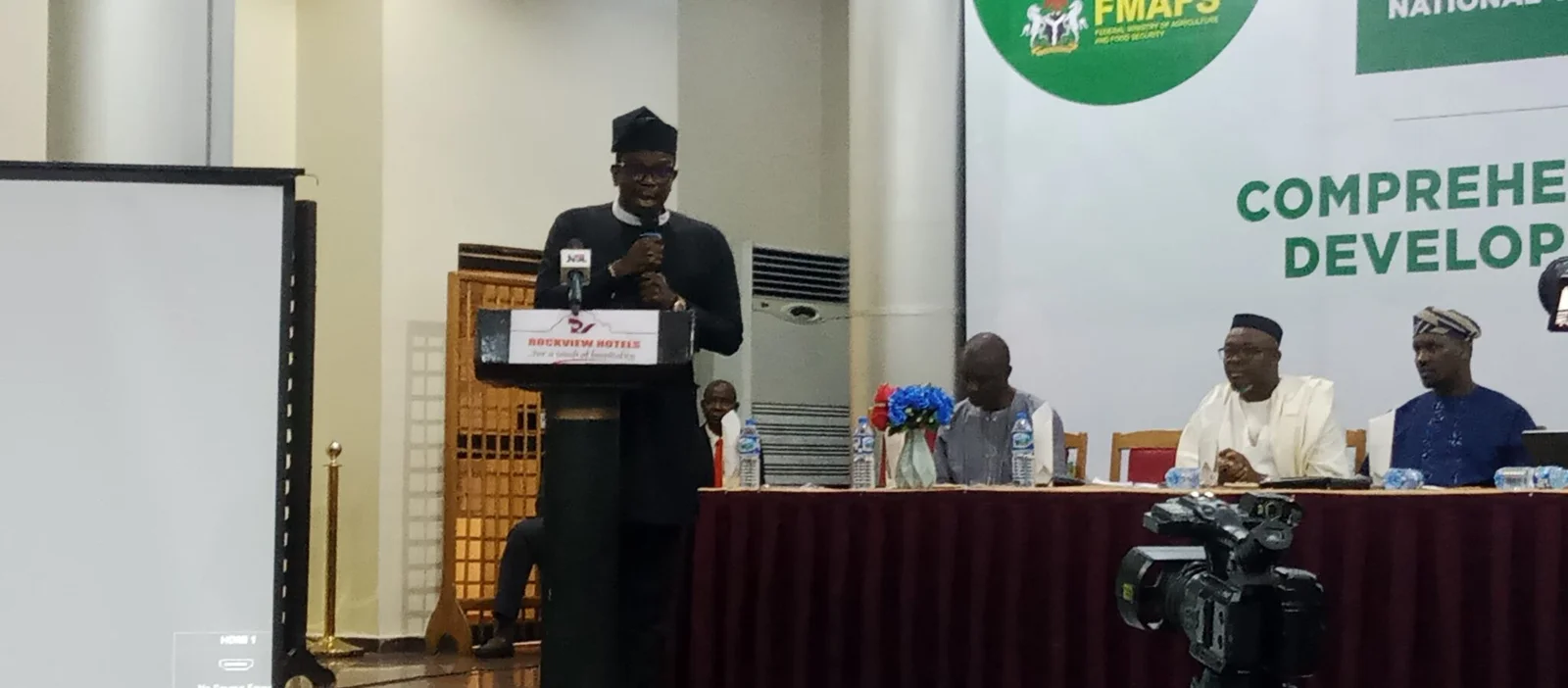
ActionAid Nigeria (AAN) says it has trained no fewer than 136,000 smallholder women farmers and young people on agroecological practices to improve productivity, livelihoods and climate resilience.
Azubike Nwokoye, Food Systems Specialist, AAN, disclosed this on Wednesday in Abuja.
He spoke on the sidelines of the National Validation of Nigeria’s Strategy and Action Plan 2026–2035 for the Implementation of the Comprehensive Africa Agriculture Development Programme (CAADP) Kampala Declaration.


Nwokoye said the initiative was implemented under the Strategic Partnership for Agroecology and Climate Justice in West Africa project, with Nigeria as one of its focus countries.
He said beneficiaries of the project had reported improved incomes, livelihood diversification, increased yields and enhanced resilience to climate change impacts.
According to him, ActionAid will also conduct business case and political economy analyses, as well as return-on-investment assessments, to support evidence-based decision-making by federal and state governments.
He said the assessments would demonstrate the benefits of increased investment in agriculture and guide governments on directing resources towards interventions that promote food and nutrition security.
“ActionAid is committed to seeing people come out of poverty across Nigeria through the agriculture sector.
“Within the last three years, we have directly trained thousands of smallholder women farmers and young people on agroecological practices in some states,” he said.
Nwokoye added that the CAADP Kampala Declaration provided an opportunity to build smarter, fairer and more resilient agrifood systems.
“It promises more opportunities for young people, women and persons with disabilities, enabling them to thrive despite climate change and other challenges.
“Above all, it recognises that achieving the ambitious targets of the CAADP Kampala Declaration is a shared responsibility requiring the commitment and collaboration of all stakeholders,” he said.
Also speaking, Oliver Kirui, Country Programme Leader, International Food Policy Research Institute (IFPRI), said the strategic objectives of the declaration included intensifying sustainable food production, promoting agro-industrialisation and expanding trade.
Kirui listed other objectives as increasing investment and financing for accelerated agrifood systems transformation, improving food and nutrition security, advancing inclusive and equitable livelihoods, building resilient agrifood systems and strengthening governance.
themomentng reports that the CAADP Kampala Declaration 2026–2035 seeks to transform Africa’s agrifood systems through improved productivity, resilience, inclusivity and sustainable development.