The Office of the Head of the Civil Service of the Federation (OHCSF) and the Central Bank of Nigeria (CBN) have distanced themselves from the establishment and operations of the alleged Presidential Foreign Investment Promotion Council (PFIPC), as investigations by the House of Representatives continued on Monday.
The institutions made the disclosures before the House ad hoc committee investigating the alleged creation of the council without a valid legal framework.
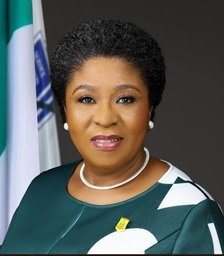
The Head of the Civil Service of the Federation, Mrs. Didi Esther Walson-Jack, told the committee that the OHCSF had no constitutional mandate to establish government agencies, noting that such responsibilities rested with relevant authorities.


A representative of the office said, “The approval and establishment of agencies are not within the purview of the Office of the Head of the Civil Service of the Federation. However, the OHCSF is responsible for approving the administrative structure of federal government agencies.”
The office disclosed that the council applied for approval of its organizational structure on August 6, 2025, but the request was not granted because the required supporting documents were not provided.
“From our records, the council submitted a request to the OHCSF for approval of its organizational structure on the 6th of August, 2025, without providing the requisite documents. Consequently, the request was not granted,” the official told lawmakers.
The OHCSF, however, confirmed that officials of the Presidential Economic Advisory Council (PEAC)/PFIPC had requested an authorised establishment and recruitment waiver during the 2025 annual manpower budget defense exercise.
According to the office, the council informed officials that it had been operating mainly with personnel deployed or seconded from other government institutions.
The committee was told that the council requested approval for 314 positions, comprising 14 existing officers and 300 additional positions, which was later issued as part of manpower approvals granted to federal agencies.
The OHCSF also revealed that it subsequently discovered irregularities in documents presented by the council as its legal foundation.