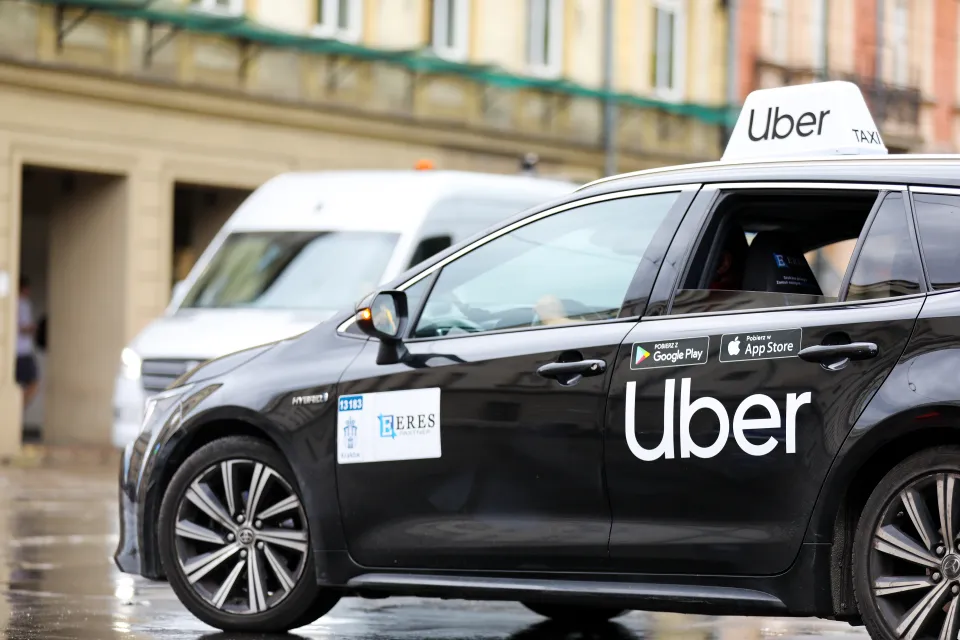
The Federal Airports Authority of Nigeria (FAAN), Friday, denied responsibility for the exit of the ride-hailing platform, Uber, from Nigeria, saying the company’s decision must have been based on its own economic and regulatory considerations.
Uber ended its ride-hailing operations in Nigeria on September 2, 2026, after 12 years of operations.
Managing Director of FAAN, Mrs Olubunmi Kuku, said the authority had, however, received complaints during the December holiday period about poor experiences involving some e-hailing platforms and car-hire services operating at airports.

Kuku spoke on the sidelines of the second induction ceremony and unveiling of the montage of honourees at the Nigeria Aviation Hall of Fame, themed ‘The Next Generation of Aviation Leaders: Talent, Technology, and Global Competitiveness,’ held in Lagos.
She said some passengers reported cases of intimidation and being dropped off at locations other than their intended destinations, among other complaints, while FAAN also had disagreements with e-hailing companies over driver liability and dedicated pickup zones at airports.
Her words: “In recent weeks, I have seen a lot of information in the media, and I think it is important to clarify it. I work for FAAN, and my responsibility, first, is to ensure that our passengers are safe, they are protected and they have a seamless passenger experience.
“For Uber, I can’t speak to their exit from Nigeria. I am sure they have their own economic and regulatory decisions as to why they choose to exit. But a couple of things are very clear. What was important for FAAN was to ensure that we addressed passenger concerns.
“We did receive a lot of concerns, especially around the December holiday period, about passengers who took some of the e-hailing and even the car hire services, who had very terrible experiences. Some of them went all the way from intimidation to being dropped in other places and even more extreme situations.
“We did have situations where some of the Uber and Bolt drivers would get down from their cars under the guise of coming into the airport as e-hailing drivers, and they would join the car hires to charge higher fares. Based on this, it was important, because everybody was complaining about the touting at the airport, that we even provided some sort of regulatory oversight on the car hires.