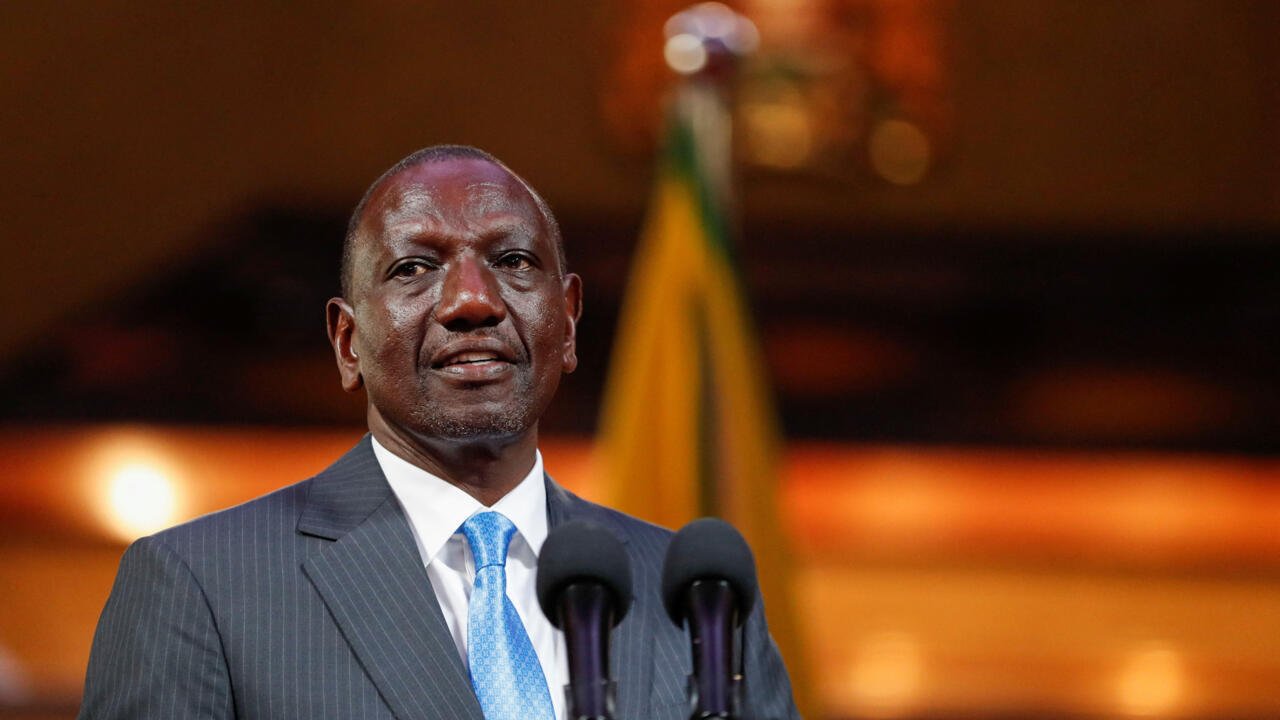
Kenya President William Ruto has ordered authorities to close small businesses operated by foreign nationals from September 7, arguing that hawking and neighbourhood retail should be protected for Kenyan citizens.
The directive could test Kenya’s regional obligations and domestic politics before the 2027 election. Its scope and legal basis remain unclear because the legislation cited by Ruto has not been enacted, while some affected traders may possess recognised business rights.
Ruto issued the order on September 2 while addressing micro, small and medium-sized traders at State House in Nairobi. He singled out hawking and small retail shops as activities that should be reserved for Kenyans.


‘It cannot be that a person comes from China or elsewhere to be a hawker or open a small shop,’ he said.
The President told foreign nationals engaged in those activities to close their businesses. The government has not defined what constitutes a small business or said how many traders could be affected.
The announcement came five days after police fired tear gas at traders protesting a higher customs benchmark for consolidated imports. Hundreds of Nairobi businesses closed during the August 28 confrontation, either in protest or for safety.
The stakes are high in an economy where informal work supports millions. Kenya’s 2026 Economic Survey put informal-sector employment at 18.1 million in 2025 after the sector added 716,800 jobs.
Ruto said Kenya remained open to investors who build factories and create employment, echoing the broader push for investment that develops regional value chains.
The President linked the directive to the Local Content Bill, 2025, which would require foreign companies to source at least 60 percent of specified goods and services locally and employ Kenyans as at least 80 percent of their workforce.
However, the published Bill focuses principally on local sourcing and Kenyan employment. A parliamentary committee issued its report on March 31, but the legislation has not been enacted and does not establish the blanket closure announced by Ruto.
The government has not explained which existing law or licensing power authorises the action. Enforcement will also need to distinguish undocumented traders from licensed businesses.
EAC and refugee rights face test
The EAC Common Market Protocol protects free movement and the right of establishment. Article 13 protects establishment rights for EAC citizens, although national licensing rules and Kenya’s sector-specific commitments remain applicable.
Kenya also hosted 857,065 refugees and asylum seekers as of June 30, with 13.8 percent living in urban areas. Recognised refugees may obtain Class M permits to work or operate businesses. Sweeping enforcement could therefore affect documented refugees pursuing the economic inclusion highlighted at Kenya’s Africa Forum on Displacement.
Ruto built his political appeal around the ‘hustler’ identity. Protecting small traders offers a potent message before the August 2027 election, but directing economic anger towards foreigners risks inflaming hostility.
Former MP Kabando wa Kabando criticised the directive, arguing that Kenyans also work and operate businesses across neighbouring EAC states.
The government is expected to clarify the affected sectors, enforcement authority and appeal process before September 7. The response from regional institutions and foreign missions will show whether the order remains a licensing intervention or develops into a wider dispute over migration and integration.
The experience of South Africa’s migrant worker exodus shows the economic dangers when regulatory disputes become hostility towards entire communities.