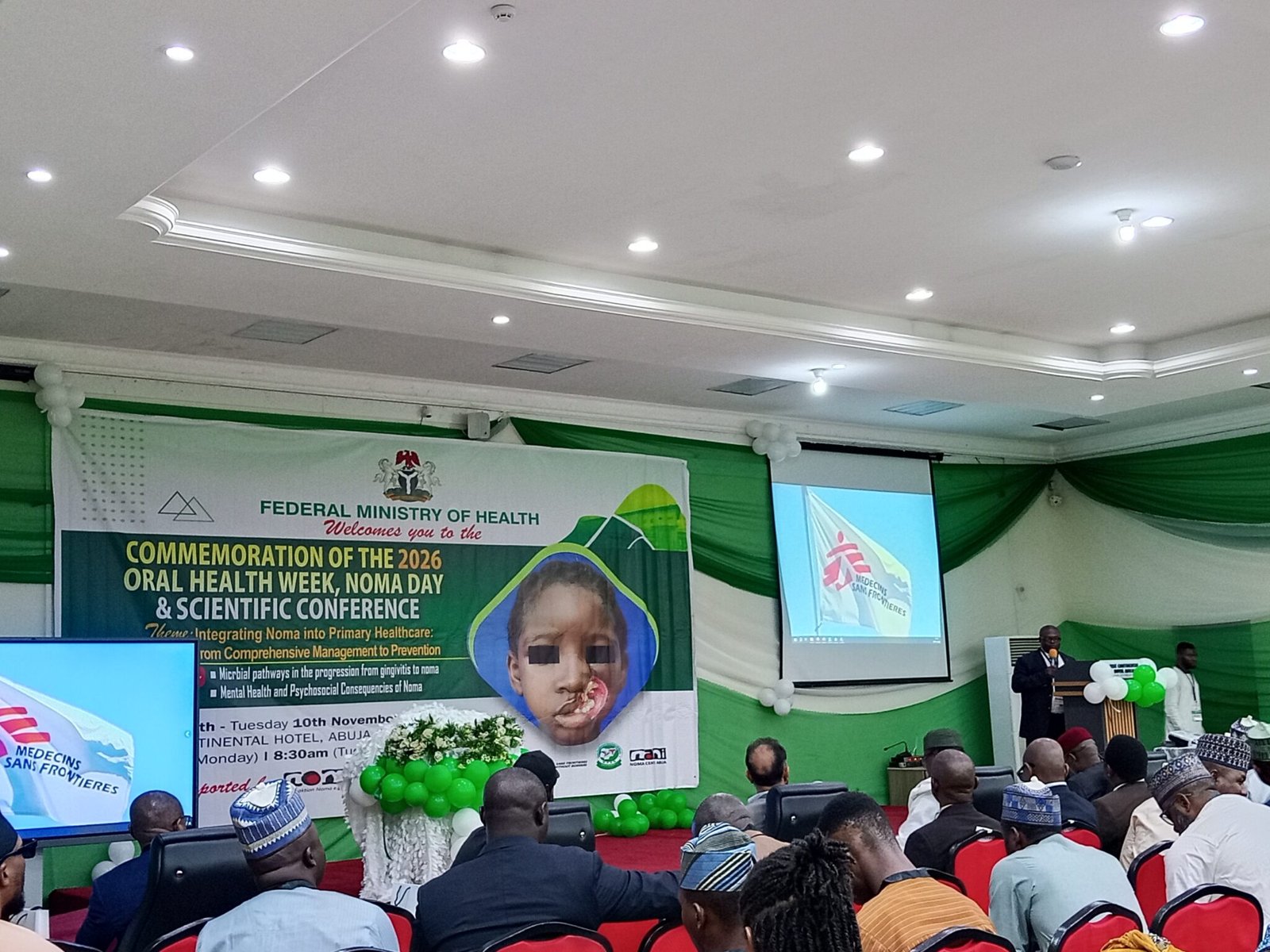
The Federal Government has inaugurated the National Oral Health Strategic Plan 2026–2030 to strengthen oral healthcare delivery, improve Noma prevention and treatment, and expand access to essential dental services nationwide.
The Minister of State for Health and Social Welfare, Dr Iziaq Salako, announced the inauguration on Monday in Abuja during the 2026 National Oral Health Week and National Noma Day.
The event, which included a scientific conference organised by Médecins Sans Frontières (MSF) and partners, brought together government officials, healthcare professionals, researchers and development partners to discuss Noma prevention.
The conference was themed, “Integrating Noma into Primary Healthcare: From Comprehensive Management to Prevention”, focusing on strategies to strengthen disease prevention, early detection and comprehensive treatment across Nigeria and Africa.
Salako said the strategic plan would strengthen the integration of oral healthcare into primary healthcare, ensuring oral diseases received adequate attention within the country’s healthcare system and services.
He described Noma as a rapidly progressing but preventable disease that could cause severe facial disfigurement, disability and death, particularly among malnourished and immunocompromised children in vulnerable communities.
According to him, Nigeria continues to bear a significant burden of the disease, particularly in the North-West and North-East, while survivors frequently experience stigma, social isolation and exclusion.
The minister said the Federal Government had integrated Noma surveillance into the Integrated Disease Surveillance and Response System to improve early identification, reporting and referral of suspected cases nationwide.
He added that the ministry was training frontline health workers, traditional healers and traditional birth attendants to recognise early signs of Noma and other oral diseases in communities.
“Our ethos is that no child should die or suffer permanent disfigurement from Noma when the disease can be prevented and treated,” he said.
Salako identified good nutrition, exclusive breastfeeding, proper oral hygiene and prompt treatment of childhood illnesses, including measles and malaria, as important measures for preventing the disease.
He called on state governments, development partners and dental professionals to support implementation of the strategic plan through sustained investment, effective coordination and improved community awareness nationwide.
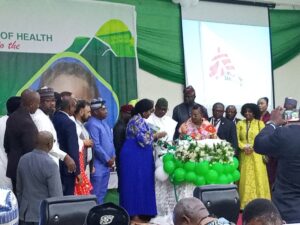
Earlier, the Director of Hospital Services, Dr Abisola Adegoke, paid tribute to the late Mama Ute Winkler for her humanitarian contributions to Noma treatment and prevention.
Adegoke described Winkler as a compassionate humanitarian whose commitment to people affected by the disease inspired the establishment of a German non-governmental organisation supporting Noma patients.
She said what began with two children taken from Niger for surgery in Germany had developed into an international campaign against the disease and its devastating consequences.
“The legacy of Mama Ute challenges us to move beyond sympathy to action, beyond surgical intervention to sustainable solutions, and beyond remembering Noma victims to preventing future generations from becoming victims,” she said.
Adegoke added that the Noma Aid Nigeria Initiative (NANI) had provided affected persons access to specialised treatment and free reconstructive surgeries through collaborations with international medical specialists.
She described the Noma Centre in Abuja as an important institution for treatment, training and research, serving Nigeria and the wider West African sub-region.
Also speaking, the Country Representative of MSF, Dr Aldikhari Ahmed, commended the Federal Government and other stakeholders for strengthening Nigeria’s response to Noma and its consequences.
Ahmed welcomed the inclusion of Noma in primary healthcare guidelines and the Surveillance Outbreak Response Management and Analysis System (SORMAS), saying those developments would improve identification and reporting.
He said MSF had collaborated with the Federal Ministry of Health and Sokoto State Ministry of Health at the Noma Children’s Hospital since 2014 to provide comprehensive care.
According to him, the partnership had facilitated more than 1,759 major reconstructive surgeries for 1,174 patients through 35 surgical missions since the collaboration began.
He said that 114 surgeries were performed on 96 patients in 2026 alone, while 28 Nigerian surgeons and 14 anaesthetists had received training from international specialists.
Ahmed, however, emphasised that early detection remained essential to preventing severe complications and saving the lives of children affected by the disease across vulnerable communities.
“Noma can progress rapidly, but when it is identified and treated early, lives can be saved and severe disability prevented,” he said.
He called for stronger community-based surveillance, adequate training of frontline health workers and improved integration of Noma screening into routine primary healthcare services nationwide.
The MSF representative also urged government institutions and development partners to provide sustainable funding for implementing the National Oral Health Strategic Plan, strengthening surveillance and expanding comprehensive care.
He said sustained collaboration among government, humanitarian organisations, healthcare professionals and communities was necessary to ensure that no child suffered or died from a preventable and treatable disease.
The event highlighted ongoing efforts by MSF, NANI and other partners to strengthen Noma prevention, treatment, research and public awareness across Nigeria and the wider region.