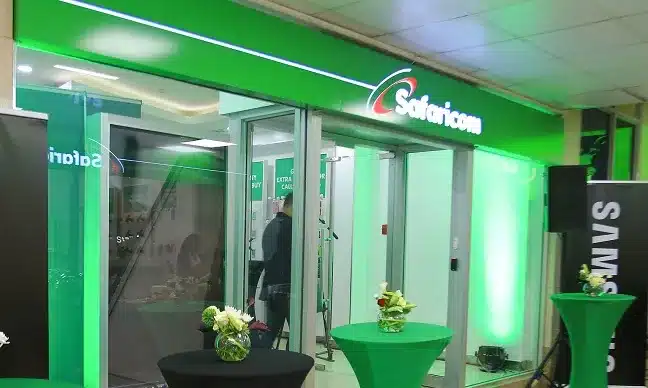
Kenya is making one of its biggest telecom moves in years. The government is offloading a 15% stake in Safaricom to South Africa’s Vodacom in a deal worth about €1.36 billion ($1.6 billion), while Vodacom will buy another 5% from Vodafone. When the dust settles, Vodacom’s ownership jumps to 55%, giving it effective control of Kenya’s most valuable company and Africa’s most influential mobile money operator.
For Kenya, this isn’t just a telecom reshuffle; it’s a much-needed cash injection. President William Ruto’s administration is grappling with high public debt, limited fiscal room, and debt repayments gulping nearly 40% of revenue. The sale is part of a broader push to raise money by trimming state assets and channelling proceeds into Kenya’s new National Infrastructure Fund and Sovereign Wealth Fund, meant to finance roads, energy projects, irrigation systems, and airport upgrades without piling on more debt.
For Vodacom, the logic is simple: buying deeper into Safaricom means owning a bigger slice of M-Pesa, one of the most successful fintech platforms in the world with more than 100 million daily transactions. Safaricom is also expanding aggressively in Ethiopia, a high-growth market. With this strategic bump, Vodacom strengthens its African footprint while Vodafone, its parent, keeps consolidation tightly within the group.

Investors immediately felt the impact. Safaricom’s share price jumped over 4% on the announcement, while Vodacom slipped slightly. Analysts say Vodacom is paying a clear control premium, but one that makes strategic sense given Safaricom’s dominance, its strong revenue growth, and its central role in Kenya’s digital economy. The government will retain a 20% stake, enough to keep influence over major strategic decisions.
The deal still needs approvals from Kenyan, South African, and Ethiopian regulators, plus Kenya’s parliament. If all goes to plan, the acquisition should close in early 2026, a shift that could reset the balance of power in African telecoms and deepen regional competition, especially as M-Pesa and Safaricom continue expanding beyond Kenya.