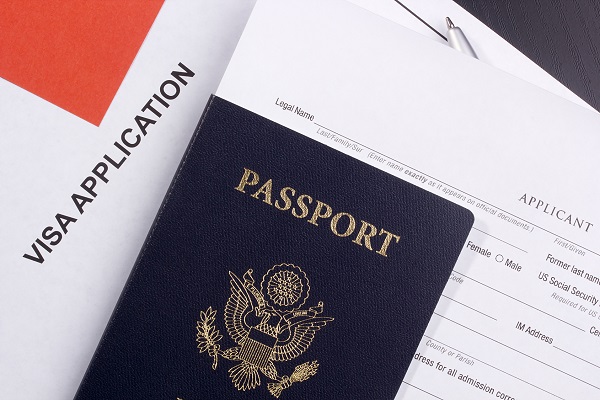
Applying for a visa can easily become overwhelming, especially now that many countries have tightened their screening processes. Mistakes that look small to applicants can be dealbreakers for consular officers.
1. Incomplete or Inconsistent Application Information


One of the easiest ways to get delayed or refused is by submitting forms that don’t match your supporting documents.
A spelling error in your name, a misplaced passport number or dates that don’t align can signal carelessness or possible concealment.
Consular officers expect every detail in your application form to mirror what appears on your passport, ID, bank statements and other documents. Any mismatch can make an officer question the credibility of your application.
To avoid it, you need to fill your form slowly, copying every detail exactly as it appears on your passport. Double-check each field before submitting and, if possible, ask someone else to proofread the form. Always declare previous surnames or names you have used. Save screenshots and PDF copies of your submitted form and confirmation page so you can reference them later.
2. Weak or Poorly Documented Proof of Funds
Many visa refusals happen because applicants fail to show they can finance their trip or sustain themselves without relying on public funds. Bank statements with unclear transactions, short-term balances or sudden large deposits trigger suspicion. Unsupported sponsorship claims, especially for tourist or student visas, also raise red flags for consular officers who must be confident you can afford the journey.
To avoid it, you should provide 3–6 months of bank statements showing real transaction history. If you have a sponsor, include a sponsorship letter, their bank statements, proof of ID and any documents showing your relationship. Strengthen your financial profile with payslips, employment letters, tax returns or property documents. A stable financial pattern is more convincing than a last-minute credit alert.
3. Failure to Demonstrate Strong Ties to Nigeria
Visa officers must determine whether applicants intend to return home after their trip. If your application lacks evidence of work, family, property or educational commitments, they may assume you plan to overstay. Many refusals cite “insufficient ties,” which has become even more common as some countries increase scrutiny of Nigerian applicants.
To avoid it, ensure you attach clear documentation showing your ties to Nigeria employment letters, CAC registration, school admission or enrolment, property ownership and evidence of dependents. Include a clear travel itinerary, return flight reservation and leave approval from your employer.
Students should submit admission letters, receipts and any documents showing intent to return. Self-employed applicants should add business bank statements, tax documents, contracts and CAC registration.
4. Using Forged or Altered Documents and Unlicensed Agents
Submitting fake or altered documents is one of the fastest ways to get banned from a country. Some applicants fall victim to unlicensed agents who promise quick visas but use fabricated papers without their knowledge. Embassies have sophisticated verification systems and treat document falsification as a serious offence that could attract long-term bans or legal action.
To avoid it never submit suspicious-looking photocopies or documents that cannot be traced to an authentic source. Use only accredited centres such as VFS, TLScontact or the embassy’s official website.
If an agent suggests generating fake bank statements or employment records, walk away immediately. When legitimate documents are unavailable, explain the situation in a cover letter and provide alternative evidence rather than resorting to forgery.
5. Ignoring Country-Specific Requirements
Every country has unique visa rules, and ignoring them often leads to automatic refusal. Some destinations require specific travel insurance, particular appointment procedures or applications through the correct consulate based on your residence.
Submitting the wrong form or applying at the wrong location may cause your application to be returned or denied.
Always check the official embassy or visa-centre website for current requirements. Book appointments early as slots fill up quickly, and buy travel insurance that meets the destination’s minimum coverage if required.
Ensure you apply at the correct consulate and comply with biometric and appointment procedures specific to your state of residence. Following country-specific instructions carefully can significantly improve your chances.