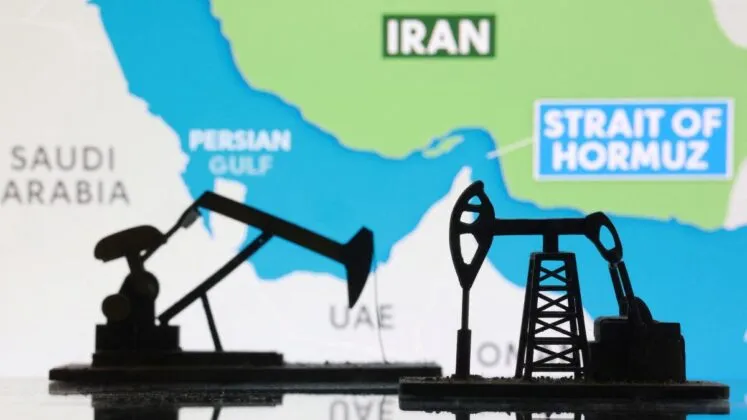
Oil prices were little changed on Thursday, April 16, 2026, on scepticism that peace talks between the United States and Iran will reach a deal to end the war that has bottled up oil output from the key Middle East producing region.
Brent crude futures were down 26 cents to $94.67 a barrel at 0611 GMT, while U.S. West Texas Intermediate crude futures climbed 14 cents to $91.43 a barrel.
Both benchmarks settled little changed on Wednesday but traded in a wide range.


The U.S.-Israeli war on Iran has resulted in the largest-ever disruption of global oil and gas supplies due to Iran’s interruption of traffic through the Strait of Hormuz, which typically carries about 20% of the world’s oil and liquefied natural gas flows.
An analyst at Fujitomi Securities, Toshitaka Tazawa, said: “While there are hopes for de-escalation, many investors remain sceptical, given that U.S.-Iran talks have repeatedly broken down even after appearing to make progress.
“Until a peace deal is reached and free navigation through the strait is restored, WTI prices are expected to continue fluctuating between $80 and $100.”
Analysts from ING, in a statement on Thursday, estimated that roughly 13 million barrels per day of oil flow has been disrupted by the closure of the strait, after taking into consideration pipeline diversions and the trickle of tankers that have passed through the gateway.
With the U.S. blockade on Iranian ports announced after the collapse of peace talks over the weekend, the disruption could increase.
“The physical market is becoming tighter every day that passes without a restart of oil flows through the Strait of Hormuz,” the ING analysts said.
A source briefed by Tehran told Reuters that Iran could consider allowing ships to sail freely through the Omani side of the Strait of Hormuz if a deal was reached to prevent renewed conflict after a two-week ceasefire started on April 8.