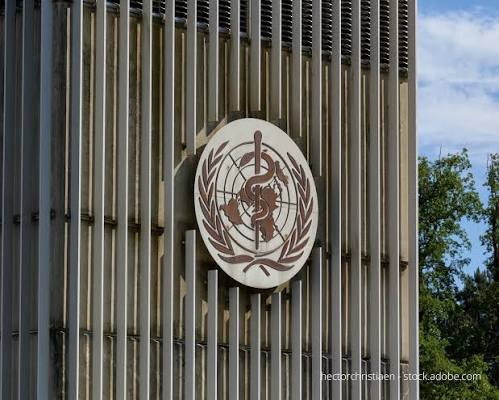
The World Health Organization (WHO) in Mozambique has expanded the use of mobile money to pay health workers and volunteers involved in vaccination campaigns and other emergency public health interventions, reducing reliance on cash-based payments.
Since 2024, WHO Mozambique has been using the Mobile Money (MOMO) digital payment system to transfer payments to workers involved in public health campaigns. More than US$14.4 million has so far been channelled through the system to nearly 246,000 beneficiaries across the country.
The digital payment system is designed to make payments faster, safer and more transparent while improving financial inclusion. It has also reduced logistical challenges associated with transporting and distributing cash during large-scale vaccination and health campaigns.

Manansses Rosário, 30, a MOMO focal point in Chifunde district, said the system had made it easier to register health workers and monitor their attendance.
For WHO Mozambique, the digitalisation of payments is also intended to strengthen the operational capacity and accountability of health campaigns.
The system also provides benefits for organisations and partners funding health programmes through WHO by improving the traceability of funds, strengthening monitoring mechanisms and increasing transparency in the use of resources allocated to public health interventions.
WHO Mozambique said it plans to continue expanding the use of mobile money across different health activities. The experience demonstrates how digital payment systems can address challenges linked to distance, logistics and financial inclusion while helping bring resources directly to health workers and strengthening the country’s public health response.