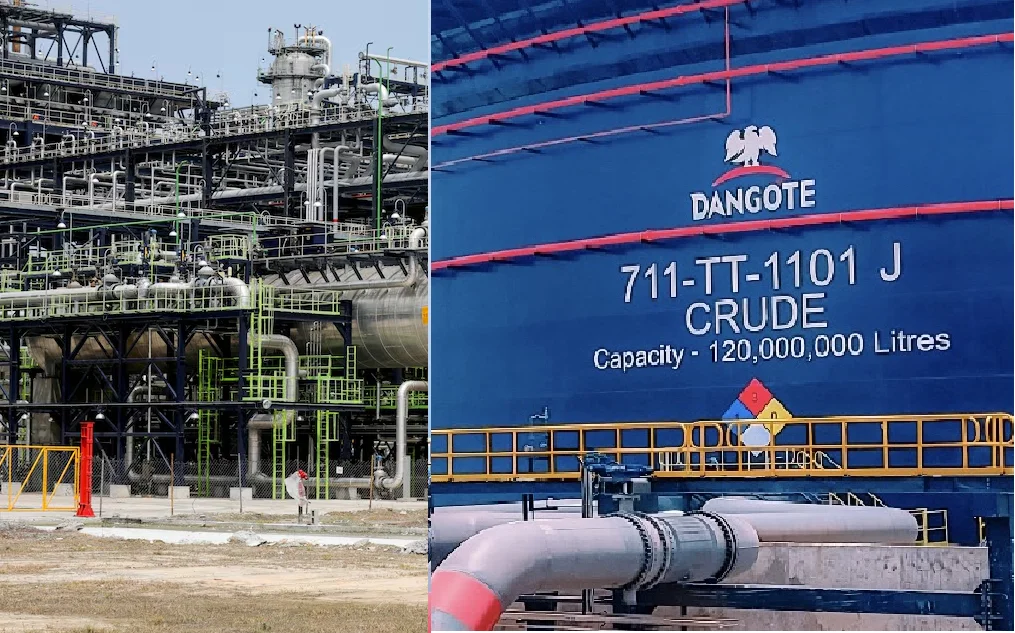
The Dangote Petroleum Refinery and Petrochemicals is considering restricting the sale of Premium Motor Spirit (PMS), also known as petrol, to major oil marketers that continue to import the product, amid concerns over quality, product blending and the integrity of its brand.
The proposed restriction could take effect as early as this week, subject to further consultations and any last-minute intervention, sources familiar with the refinery’s position told Vanguard.
The move follows concerns that some marketers are blending imported petrol with PMS purchased from Dangote Refinery before supplying the product to the market.


The refinery is worried that such practices could make it difficult to establish the origin and quality of petrol sold to consumers while potentially leaving Dangote’s products associated with fuel that was imported or subsequently blended outside its control.
“It is difficult to understand why we would invest heavily in producing high-quality petroleum products for Nigerians, only for those products to be mixed with imported products of uncertain quality and the resulting product to be associated with the refinery,” a source familiar with the refinery’s position said.
The refinery has also raised concerns about the quality-control framework for imported petroleum products, particularly the availability of adequate laboratory infrastructure to independently test, verify and certify imported PMS before it enters the domestic market.
Another source said, “There must be a clear distinction between products produced by the refinery and products imported or blended by third parties. Otherwise, any quality problem in the market can be wrongly attributed to the refinery.”
The development comes at a critical point in Nigeria’s downstream petroleum market, which is undergoing a major shift from decades of import dependence to increased domestic refining.
With a nameplate capacity of 700,000 barrels per day, Dangote Refinery has emerged as a major supplier of refined petroleum products to Nigeria and international markets.
Its growing output has also contributed to a sharp increase in Nigeria’s petroleum-product exports.