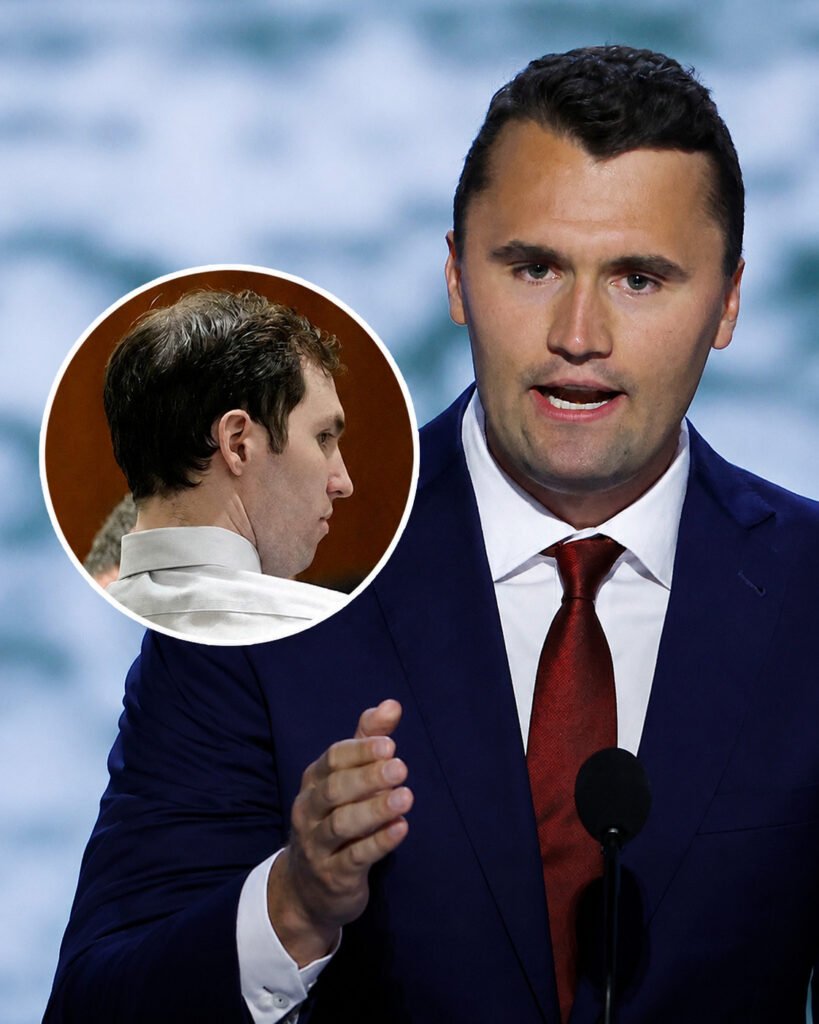
A Utah man accused of killing conservative activist Charlie Kirk has pleaded not guilty after a judge ruled that prosecutors presented sufficient evidence for him to stand trial on aggravated murder and other charges, leaving the death penalty on the table if he is convicted.
Tyler Robinson, 23, entered the plea on Tuesday after Fourth District Judge Tony Graf ruled that the case could proceed to trial. The decision followed a five-day preliminary hearing in July and closing arguments this week over whether the evidence met the probable-cause threshold required to send the case before a jury.
Kirk, 31, co-founder of Turning Point USA and a prominent conservative activist, was killed on September 10, 2025 while speaking before a crowd of about 3,000 people at Utah Valley University in Orem. Investigators allege Robinson fired a single shot from a rooftop about 140 yards from where Kirk was speaking, striking him in the neck.

A central dispute during Tuesday’s hearing concerned whether the circumstances justified an aggravated murder charge carrying the possibility of capital punishment. Prosecutors argued that firing a high-powered rifle toward Kirk while thousands of people were gathered around him created a serious risk to others.
The defence challenged that argument, stressing that a single shot was fired and Kirk was the only person struck. Robinson’s lawyers argued that prosecutors had shown only the possibility that others could have been harmed rather than establishing the level of risk required for the aggravated charge.
Graf sided with prosecutors at this stage of the proceedings, finding that the circumstances supported a reasonable inference that the person who fired the shot knew other people were positioned near Kirk. The ruling does not determine Robinson’s guilt, which prosecutors would have to establish beyond a reasonable doubt at trial.
Prosecutors have also presented surveillance footage, alleged written admissions and forensic evidence as part of their case. Testing on parts of the rifle and ammunition produced DNA results that prosecutors say strongly support Robinson as a major contributor, although his lawyers have challenged how those findings should be interpreted and presented.
Robinson’s defence has also questioned other aspects of the investigation and prosecution evidence. Those disputes are expected to become important issues when the case reaches trial.
Tuesday’s proceedings also produced another ruling over public access to the closely watched case. Robinson’s lawyers sought tighter restrictions on cameras, arguing that extensive coverage could prejudice prospective jurors.
Graf allowed limited video and still photography to continue, restricting coverage to one video camera and one still camera. He said concerns about whether potential jurors had been influenced by publicity could be addressed during jury selection.