Stanbic IBTC, a member of Standard Bank Group, has reaffirmed the importance of collaboration, relevant skills and access to finance in transforming Nigerian research and innovation into commercially viable enterprises.
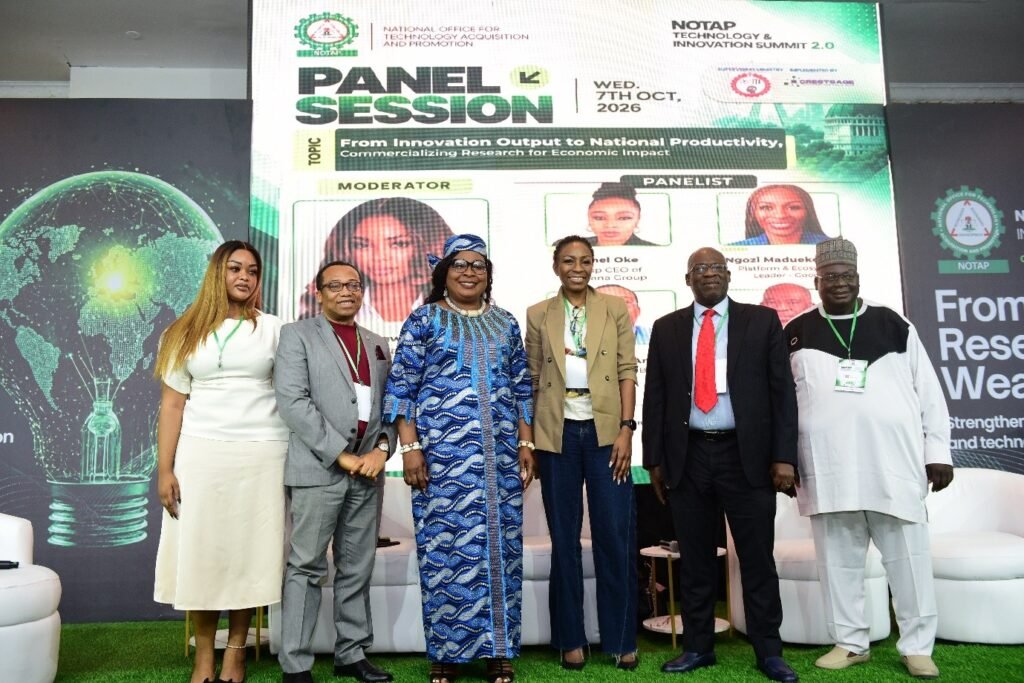
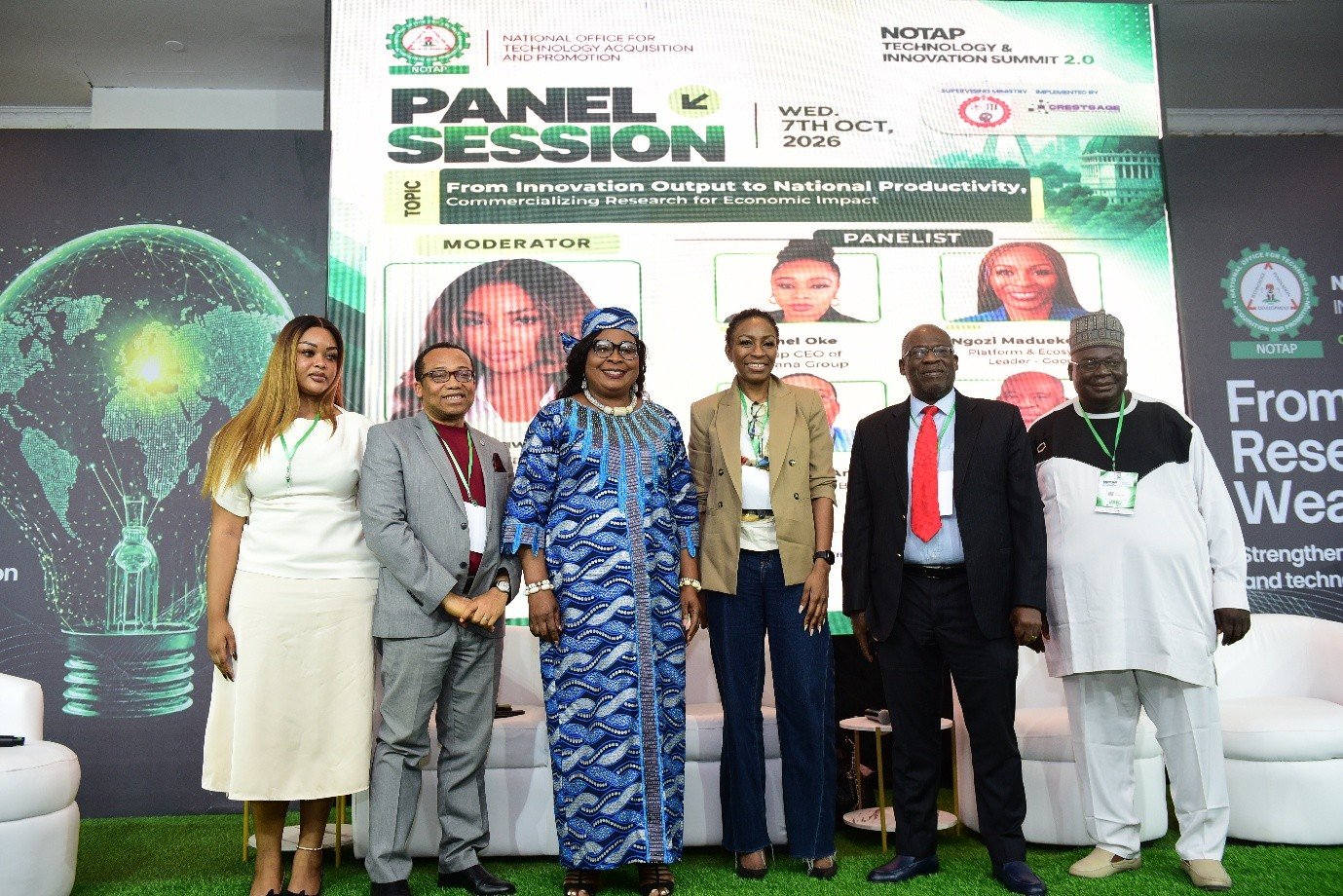
The Group reinforced this position through its sponsorship of and participation in the second edition of the National Office for Technology Acquisition and Promotion’s (NOTAP), Technology and Innovation Summit (NTIS 2.0).
Themed ‘From Research to Wealth: Strengthening Innovation, Commercialisation and Technology Sovereignty in Nigeria’, the summit brought together stakeholders from government, academia, research institutions, industry and the financial sector to explore practical pathways for moving innovative ideas from research environments into the marketplace.


Commenting on the summit, Okechukwu Nwoke, Chief Information Officer, Stanbic IBTC holdings, said: “Innovation can deliver greater economic value when promising ideas have the support required to move from research to the marketplace. At Stanbic IBTC, we believe collaboration, skills development and access to finance are important enablers for building sustainable enterprises and supporting Nigeria’s economic growth.”
Speaking during a panel discussion at the summit, Ndukwe Anagha, Head, Information Technology Department, Stanbic IBTC Pension Managers, highlighted Nigeria’s entrepreneurial potential and capacity to develop globally competitive enterprises.
Ndukwe emphasised the need to strengthen academic curricula and equip young Nigerians with skills relevant to emerging technologies. He noted that education and continuous skills development would be essential to advancing Nigeria’s innovation ambitions and preparing young people to participate meaningfully in the evolving digital economy.
In an address delivered on behalf of the Permanent Secretary of the Federal Ministry of Innovation, Science and Technology, Dr Mukhtar Yawale Muhammed, Mr. Ampe Fut, Director, Technology Acquisition and Adaptation called for stronger mechanisms to connect research with industry, investment and national development priorities.
He said: “Nigeria does not lack ideas, talent or research capacity. Our great challenge is the ability to systematically connect research and innovation outputs to industry, investment, markets and national development priorities”.
Also speaking, Dr. Obiageli Edith Amadiobi, Director-General and Chief Executive Officer of NOTAP, outlined the agency’s efforts to strengthen collaboration between academia and industry. These include the NOTAP-Industry Technology Transfer Fellowship and an initiative focused on upgrading research laboratories.
She explained that involving businesses in defining research priorities could improve the commercial prospects of research outcomes. She also identified product development support, financing and access to markets as important components of a stronger commercialisation ecosystem.
Through its sponsorship and participation in NTIS 2.0, Stanbic IBTC contributed to conversations on the partnerships, capabilities and financing required to transform promising innovations into sustainable enterprises. The company’s involvement further reflects the Group’s commitment to supporting enterprise development, skills advancement and innovation-led economic growth in Nigeria.