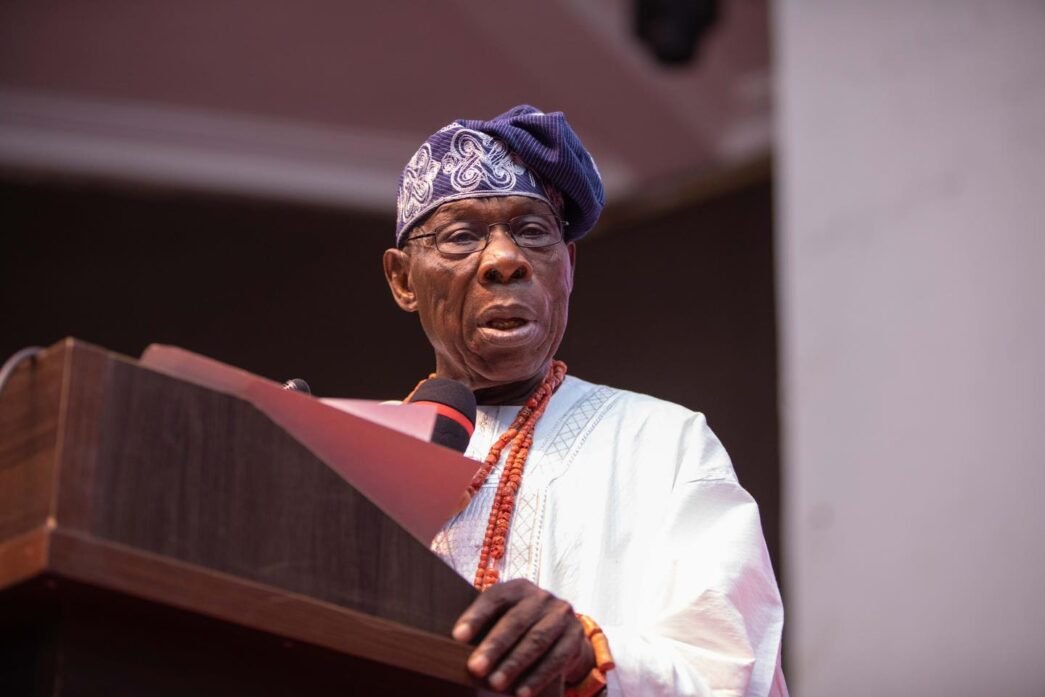
Former President Olusegun Obasanjo has criticised President Bola Ahmed Tinubu’s economic reforms, saying the sharp depreciation of the naira has worsened poverty and reduced the purchasing power of Nigerians.
Obasanjo made the remarks on Wednesday, October 21, 2026, during the Financial Times Africa Summit in London, United Kingdom, where African leaders, investors and policymakers gathered to discuss economic development and investment opportunities.
The former president questioned the impact of Nigeria’s foreign exchange reforms, particularly the decline in the naira’s value against the United States dollar since the current administration took office in May 2023.
“We do not live in isolation as a country. We interact with the rest of the world. And overnight, you devalue the currency by 300 percent,” Obasanjo said.
He explained that the exchange rate had moved from approximately ₦500 to the dollar to ₦1,500, arguing that the depreciation had significantly weakened household purchasing power and increased the cost of goods and services.
Obasanjo maintained that the economic consequences had contributed to Nigeria’s poverty challenges, describing the country as the poverty capital of the world. He questioned whether the reforms had produced sufficient benefits for ordinary Nigerians.
“You cannot say to me that that is good for Nigeria. You cannot say to me that that is good for us in any sense,” the former president declared.
President Tinubu announced the removal of the petrol subsidy in May 2023, followed by foreign exchange reforms in June of the same year. The measures were introduced to address distortions in the foreign exchange market, improve economic efficiency and encourage investment.
The changes were accompanied by higher fuel and transportation costs, currency depreciation and increases in the prices of imported goods. The administration has maintained that its economic policies are necessary to address structural challenges, while Obasanjo’s latest remarks add to the debate over their effects on household incomes and living standards.