Uganda’s ambition to join the ranks of Africa’s oil-exporting nations faces a fresh legal challenge after four Ugandan farmers filed proceedings in London’s High Court over the East African Crude Oil Pipeline (EACOP), a project regarded as central to President Yoweri Museveni’s economic strategy.
The claim has been brought against EACOP Ltd, the company responsible for constructing and maintaining the cross-border pipeline. Because the company is incorporated in England and Wales, the proceedings could become an important test of whether UK courts may hear claims involving British-registered companies participating in major infrastructure projects overseas.


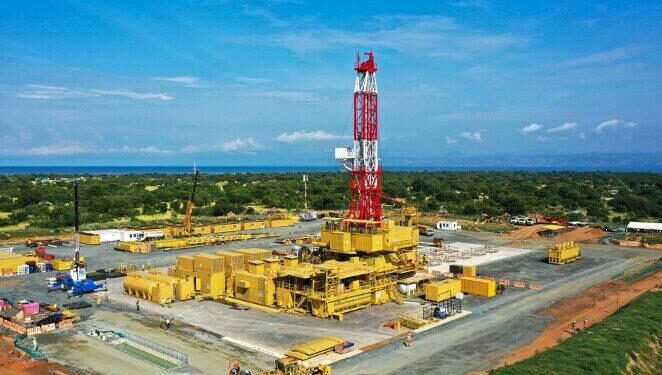
The lawsuit comes at a pivotal stage for Uganda’s long-delayed petroleum sector. Commercial crude production is expected to begin this year, with EACOP providing the export route from western Uganda’s oilfields to Tanzania’s Indian Ocean port of Tanga. The pipeline will transport crude from the Tilenga and Kingfisher petroleum projects.
Ugandan officials have described the pipeline as a strategic national investment that will generate employment, attract foreign capital and provide billions of dollars in future public revenue. For President Museveni, oil production has become a central element of plans to accelerate industrialisation and strengthen long-term economic growth.
Beyond Uganda, the case is expected to attract close attention from governments, investors and multinational energy companies. It could help clarify how far UK courts are prepared to consider claims involving companies incorporated in Britain but operating large projects in other jurisdictions, an issue with potential implications for future cross-border investment across Africa.
Claimants raise environmental concerns
The four farmers argue construction of the pipeline has affected local communities and poses wider environmental risks along the route.
The claim builds on concerns raised in recent years by environmental organisations, community groups and some European lawmakers, who have questioned the project’s potential impact on water resources, biodiversity and livelihoods.
Campaigners have also cited studies estimating that emissions associated with the oil transported through the pipeline could exceed 370 million tonnes of carbon dioxide equivalent over its lifetime if the crude is ultimately consumed. They argue that expanding fossil fuel infrastructure is difficult to reconcile with global efforts to reduce greenhouse gas emissions.
The High Court has yet to determine whether the case will proceed to a full hearing or what remedies, if any, may ultimately be available.
Why the UK court is involved
The case turns partly on the legal status of EACOP Ltd as a company incorporated in England and Wales. The claimants argue that this connection allows the dispute to be brought before a UK court, even though the pipeline itself runs through Uganda and Tanzania.
Legal specialists say questions of jurisdiction have become increasingly important as communities seek to challenge the overseas activities of multinational companies through courts in the countries where parent or associated companies are registered. The outcome of this case may therefore be watched closely beyond the energy sector.
Government backs flagship investment
Ugandan authorities continue to defend EACOP as one of the country’s most significant development projects.
The pipeline forms part of a broader petroleum programme involving the Tilenga and Kingfisher oilfields and is backed by a consortium including TotalEnergies, CNOOC, the Uganda National Oil Company and the Tanzania Petroleum Development Corporation.
Officials argue that developing Uganda’s petroleum reserves will diversify the economy, strengthen public finances and create employment opportunities across multiple sectors. The government has also said environmental safeguards and compensation measures have been incorporated into the project while maintaining Uganda’s sovereign right to develop its natural resources.
Financial analysts have previously suggested that oil production could contribute as much as 1.5 percentage points to Uganda’s annual gross domestic product once output reaches planned levels.
EACOP Ltd has not publicly responded to the latest court filing.
Development, climate and investment
The dispute reflects a broader debate across Africa as governments seek to balance economic development with increasing environmental expectations from investors, lenders and campaign groups.
Many African governments argue that responsible development of oil and gas resources remains necessary to finance infrastructure, industrialisation and poverty reduction. Climate advocates counter that investment should increasingly shift towards lower-carbon energy systems to limit future emissions and environmental risks.
The debate has already influenced financing for EACOP, with several international financial institutions and insurers declining to support the project following sustained advocacy campaigns. For investors, the case underlines how environmental litigation, corporate governance and regulatory risk are becoming increasingly important considerations in major infrastructure financing.