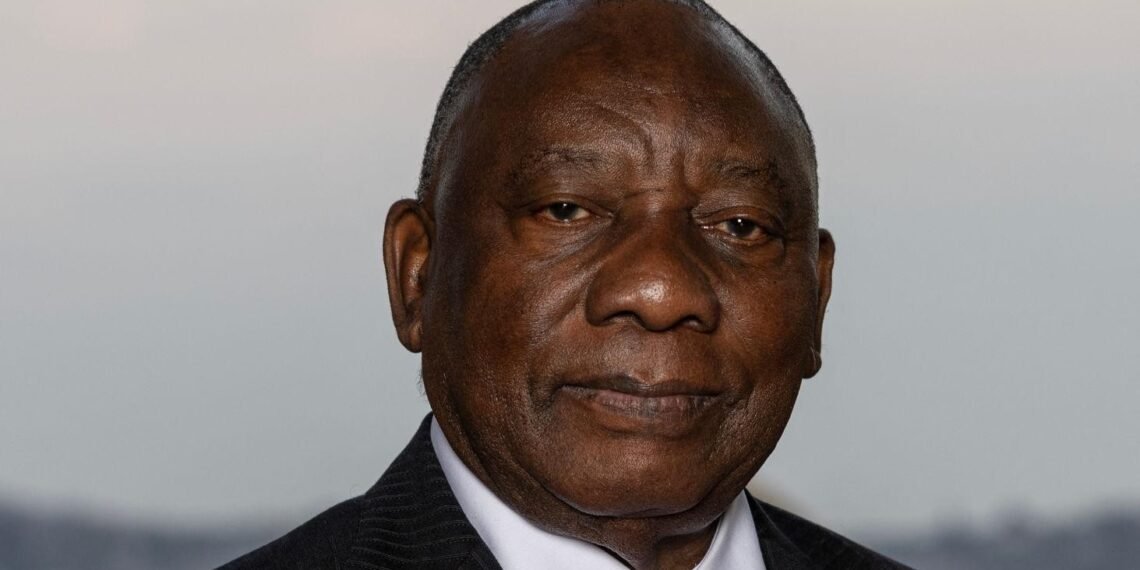
Ghana has postponed next month’s Ghana–South Africa Bi-National Commission (BNC), resulting in the deferment of South African President Cyril Ramaphosa’s planned visit to Accra as concern grows over recent anti-migrant violence in South Africa.
The high-level commission, expected to be co-chaired by President John Dramani Mahama and President Ramaphosa, was intended to review bilateral cooperation across trade, investment, security, education and governance. Ghanaian officials say postponing the meeting will allow both governments to engage under more favourable circumstances once tensions have eased.

The decision highlights how domestic security developments can influence diplomatic engagement across the continent, even between countries that maintain strong political and economic relations.
The postponement represents one of the most visible diplomatic responses by an African government to South Africa’s latest wave of anti-migrant unrest. Although Accra and Pretoria continue to describe their relationship as strong, delaying the commission reflects Ghana’s view that the prevailing climate could distract from discussions designed to deepen cooperation.
The BNC is the principal framework through which the two countries coordinate policy across a broad range of strategic sectors. Outcomes from previous commissions have helped shape collaboration in commerce, infrastructure development, higher education, security cooperation and regional affairs, complementing Ghana’s broader regional diplomacy, including its recent cooperation agreement with Eswatini.
Government spokesperson Felix Kwakye Ofosu said the violence risked overshadowing the objectives of the commission. Speaking to Accra’s Joy FM, he said Ghana remained committed to its longstanding partnership with South Africa but believed the meeting would be more productive once tensions had subsided.
South Africa has experienced weeks of demonstrations calling for tougher action against undocumented migrants. While many protests have remained peaceful, some have turned violent, with attacks reported against foreign nationals and businesses owned by migrants in several communities.
Police have arrested hundreds of suspects while reinforcing security in affected areas. The unrest has revived longstanding concerns over xenophobic violence in South Africa, where similar incidents have periodically strained relations with other African countries.
The unrest has also prompted Pretoria to step up regional engagement, with the government announcing plans to send diplomatic envoys across Africa following the migrant attacks in an effort to reassure neighbouring countries.
Supporters of the demonstrations argue that undocumented migration contributes to unemployment, crime and increased pressure on public services. Migration experts and civil society organisations dispute those assertions, maintaining that migrants are often blamed for broader economic and structural challenges facing the country.
The latest unrest has prompted renewed debate across the continent about the protection of migrant communities and the importance of preserving the principle of free movement that underpins Africa’s long-term economic integration agenda.
Ghanaian officials have emphasised that postponing the commission should not be interpreted as a deterioration in relations with Pretoria. Instead, they say the decision is intended to preserve the significance of the meeting by ensuring it takes place in a more stable environment.
Kwakye Ofosu said President Ramaphosa’s visit would be more appropriate once public attention had shifted away from the recent violence, allowing both governments to concentrate on strengthening cooperation rather than addressing immediate security issues.
South African presidential spokesperson Vincent Magwenya confirmed that Pretoria had been informed of Ghana’s request to postpone the commission. He said planning for the meeting had been underway for several months before the decision was communicated.
According to Magwenya, officials from both governments will continue consultations through diplomatic channels to identify a mutually convenient date for President Ramaphosa’s visit and the rescheduled Bi-National Commission.