ADVERTISEMENT
The Moment Nigeria
  • Home
  • News
  • Business
  • Entertainment
  • Interviews
  • Life and Styles
  • Sport
No Result
View All Result
  • Home
  • News
  • Business
  • Entertainment
  • Interviews
  • Life and Styles
  • Sport
No Result
View All Result
The Moment Nigeria
No Result
View All Result
  • Home
  • News
  • Business
  • Entertainment
  • Interviews
  • Life and Styles
  • Sport

Nigeria inflation rises to 15.7%…what next?

by Usman Kadri
March 16, 2022
Reading Time: 1 min read
CBN directs banks to pay maximum of N20,000 new notes over-the-counter

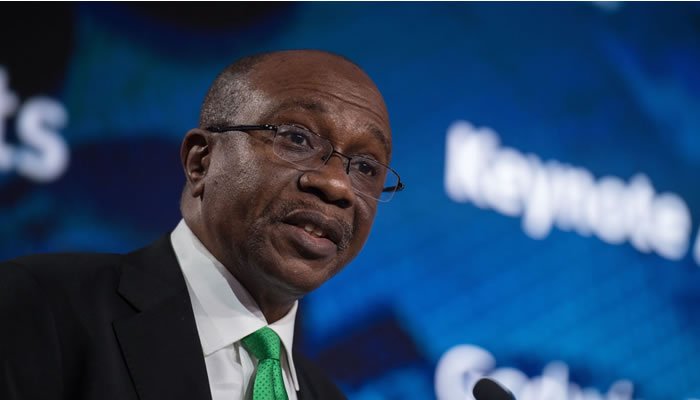
Emefiele

Share on FacebookShare on TwitterShare on WhatsappShare on LinkedIn

By Lukman Otunuga


While central banks across the globe are tightening monetary policy in the face of rising inflation, the Central Bank of Nigeria is likely to keep interest rates unchanged following the latest CPI report.


RELATED STORIES

NB Plc maintains market dominance, remains category leader in lager, malt markets

NB Plc maintains market dominance, remains category leader in lager, malt markets

April 21, 2026
The Inside Story: How Stanbic IBTC’s EVB Programme is revolutionising corporate banking

The Inside Story: How Stanbic IBTC’s EVB Programme is revolutionising corporate banking

April 21, 2026

Consumer prices rose 15.7% in February, compared to the 15.6% in the previous month. Although this headline number remains well above the central bank’s 6% to 9% target, it is quite refreshing and points to stabilizing prices in the short term.  In a perfect world, signs of moderating inflation would have boosted sentiment towards Africa’s largest economy and reduced pressure on the CBN to act.

However, external and domestic risks are likely to rekindle inflationary pressures – threatening Nigeria’s economic recovery.

It is worth keeping in mind that the shockwaves from the geopolitical risks will be felt in Nigeria. Sanctions on Russia have caused commodity prices to soar. Given how Nigeria imports sunflower oil, crude, and other key commodities – this may translate to rising inflationary pressures. Domestically, pre-election spending ahead of the general elections next year could fuel higher prices.

In the meantime, the CBN will make policy adjustments once the economy’s recovery is on a sustainable path. Nigeria’s gross domestic product (GDP) grew 3.4 percent in 2021, the strongest since 2014.

All in all, we expect the economy to remain exposed to external risks in the form of geopolitical tensions, rising Covid-19 cases in China, volatile oil prices and rising global inflation.

Otunuga, Senior Research Analyst at FXTM
Next Post
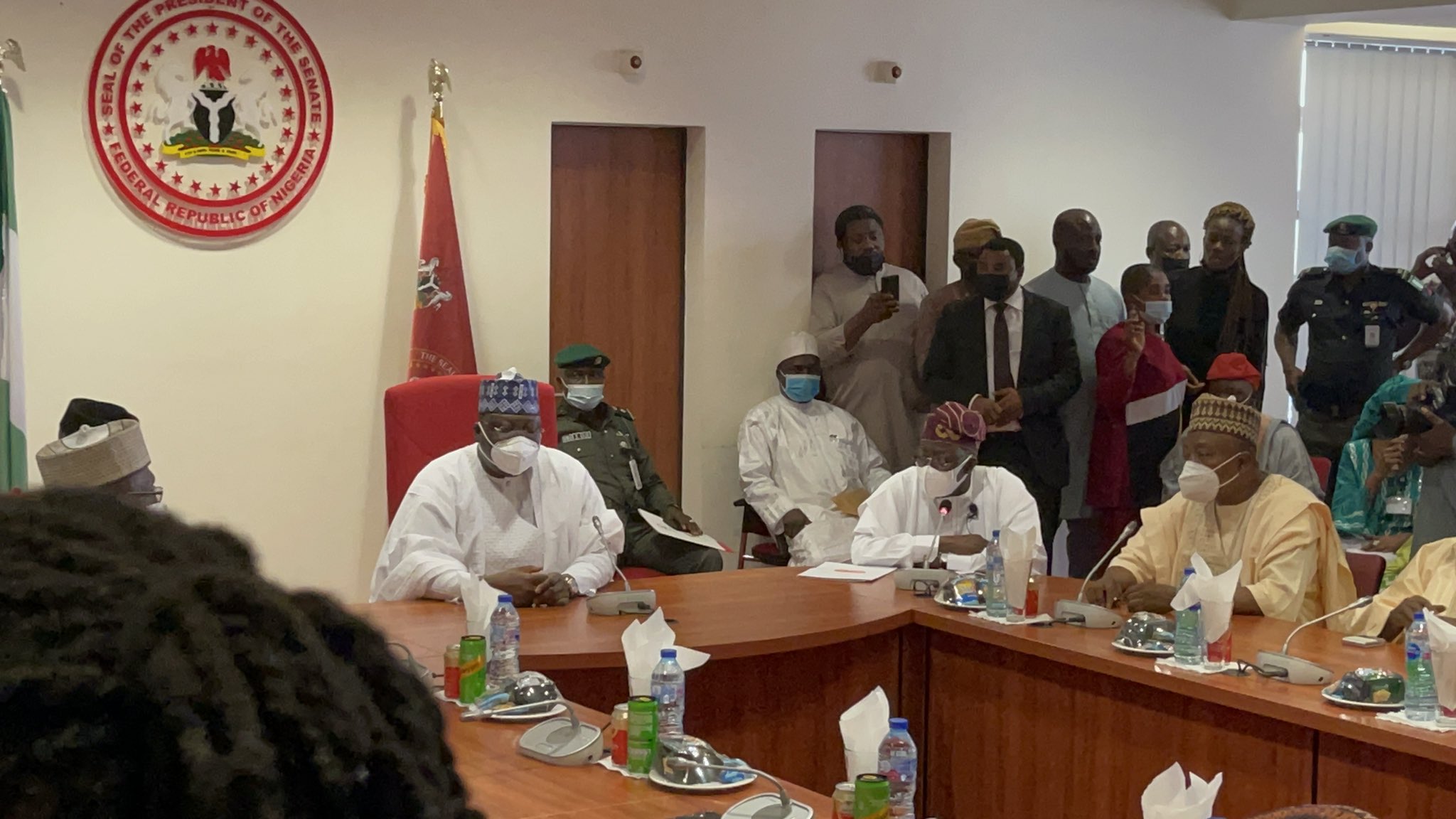
2023 presidency: Tinubu begs APC senators for support

2023 presidency: Tinubu begs APC senators for support

STANBIC IBTC ADVERT

About Us

Themomentng.com is an online community of reporters and social advocates dedicated to bringing you features, news reports by Africans, but from a global perspective.

Contact Us

+447771081433
+2348051966180(WhatsApp/SMS Only)
Email: themomentng@gmail.com

Categories

  • Business
  • Education
  • Entertainment
  • Events
  • Featured
  • Food
  • Foreign
  • Health
  • Interviews
  • Life and Styles
  • Metro
  • Motoring
  • News
  • Opinion
  • Politics
  • Religion
  • Society
  • Sport
  • Technology
  • Top Story

Follow Us

Facebook Twitter Instagram

Copyright © Themomentng.com. All Rights Reserved.

No Result
View All Result
  • Home
  • News
  • Business
  • Entertainment
  • Interviews
  • Life and Styles
  • Sport