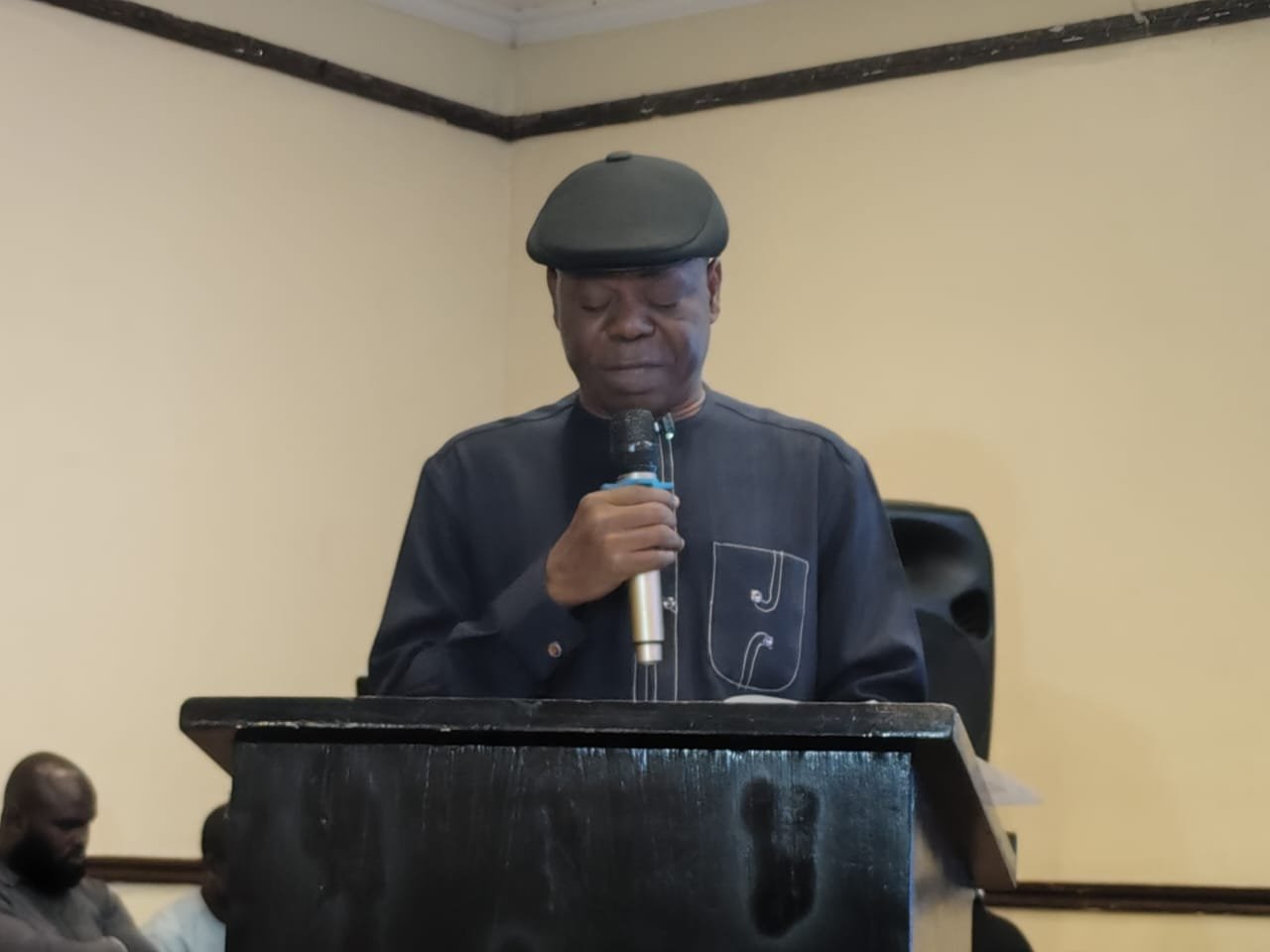
The President of the National Council of Managing Directors of Licensed Customs Agents (NCMDLCA), Mr Lucky Awimero, has called for a fundamental overhaul of Nigeria’s training system, warning that the country cannot build a competitive maritime industry without investing seriously in knowledge and continuous capacity development.
Awimero, who spoke as Chairman of the Occasion at the 2026 Maritime Training Summit and Awards organised by the Association of Maritime Journalists of Nigeria (AMJON) in Lagos, said Nigeria’s persistent development challenges were partly rooted in its failure to adequately train and equip its people.
The summit was themed, “The Power of Innovation in a Future-Ready Maritime Training Agenda.”


According to him, training goes beyond the acquisition of technical skills, as it provides people with the capacity, information and knowledge required to drive meaningful development.
“Nigeria don’t train,” Awimero declared, stressing the need for the country to rethink its approach to human capital development.
He said Nigeria must “redesign our steps, redirect our focus and drive to have knowledge,” arguing that countries that have achieved significant economic and technological progress did so largely because of deliberate investments in knowledge and human capacity.
Awimero urged stakeholders to move away from outdated approaches and embrace a knowledge-driven system capable of preparing young Nigerians for the demands of a rapidly changing global economy.
He said Nigeria must change its concept of development and become a serious nation by making training and knowledge acquisition central to its development strategy.
“Our children must not live the kind of life that we are living, except Nigeria will collapse,” he warned.
The NCMDLCA president also commended AMJON for taking what he described as a bold initiative to place maritime training and innovation at the centre of industry discourse.
He said continuous training remained one of the critical measures needed to drive the development process, particularly in an industry such as maritime, where technology, regulations and global operating standards are constantly evolving.
Awimero’s call comes amid growing concerns over the need to close Nigeria’s maritime skills gap and ensure that professionals and young entrants into the sector are equipped with the knowledge and competencies required to compete in an increasingly technology-driven global maritime industry.
He maintained that without a deliberate commitment to continuous learning and capacity building, Nigeria risked falling further behind countries that have made knowledge and innovation the foundation of their development.
The AMJON summit brought together maritime stakeholders, policymakers, regulators, industry professionals and journalists to examine how innovation and modern training approaches can strengthen Nigeria’s maritime workforce and position the sector for sustainable growth.